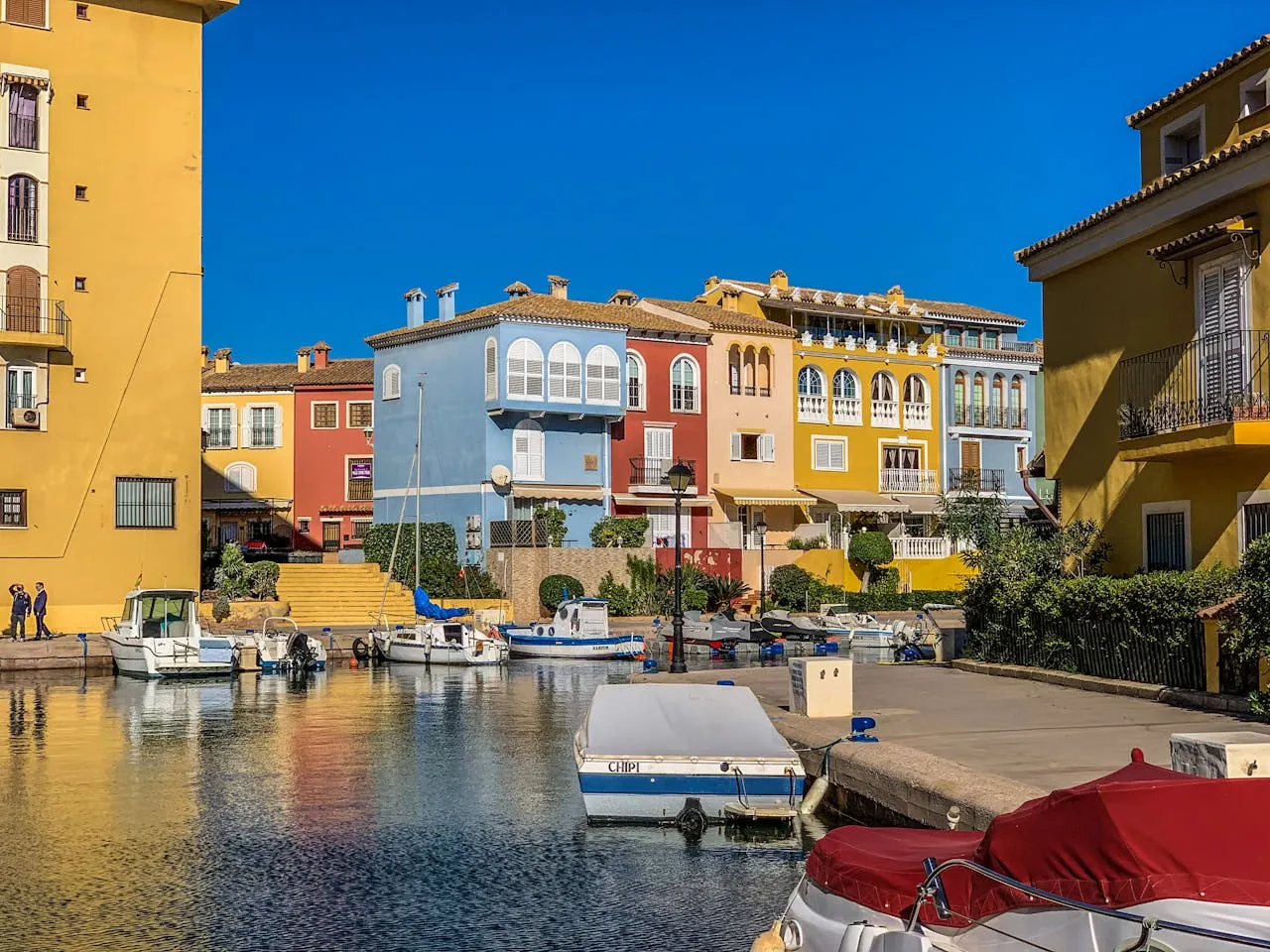
So, you're thinking about buying a place in sunny Spain? Fantastic choice! Or maybe you've already jumped in and are now navigating the sometimes-murky waters of Spanish mortgages, or "hipotecas" as they're called locally. Either way, keeping an eye on the horizon is smart, and that means understanding what changes might be coming down the pipeline in 2026.
Spain Mortgage SHOCK: Will 2026 Changes CRUSH Home...
Now, predicting the future with absolute certainty is, well, impossible. But we can look at current trends, regulatory rumblings, and economic forecasts to get a pretty good idea of what might be in store for the Spanish mortgage market in the coming years. One major factor to consider is the ongoing evolution of European Central Bank (ECB) policies. Their decisions on interest rates directly impact mortgage affordability in Spain, just like everywhere else in the Eurozone. We've already seen significant rate hikes in the past couple of years, and while things might stabilize, continued volatility is definitely a possibility.
Furthermore, keep an eye on potential legislative changes. The Spanish government, like any other, is constantly reviewing and tweaking regulations related to housing and finance. These changes could involve things like stricter lending criteria, new rules regarding mortgage-backed securities, or even incentives for energy-efficient home purchases. Remember the 2019 mortgage law? That shifted a lot of the upfront costs onto the lenders, a significant change. We could see similar impactful legislation in the coming years.
The rise of sustainable and green mortgages is another trend to watch. With increasing awareness of climate change, banks are starting to offer more attractive terms for properties that meet certain energy efficiency standards. If you're planning on buying or renovating a home, investing in eco-friendly features could not only benefit the environment but also save you money on your mortgage in the long run. This is something I'm personally excited about - aligning finances with positive environmental impact just makes sense.
Finally, the overall health of the Spanish economy will play a vital role. A strong economy typically leads to more stable interest rates and increased consumer confidence, which translates to a more robust mortgage market. Conversely, a recession or economic downturn could lead to tighter lending conditions and higher interest rates. So, keep an eye on those economic indicators! Navigating the Spanish mortgage landscape requires staying informed and being prepared for potential changes. Doing your homework now will pay dividends later.
Comments
Please sign in with Google to post a comment
No comments yet. Be the first to comment!