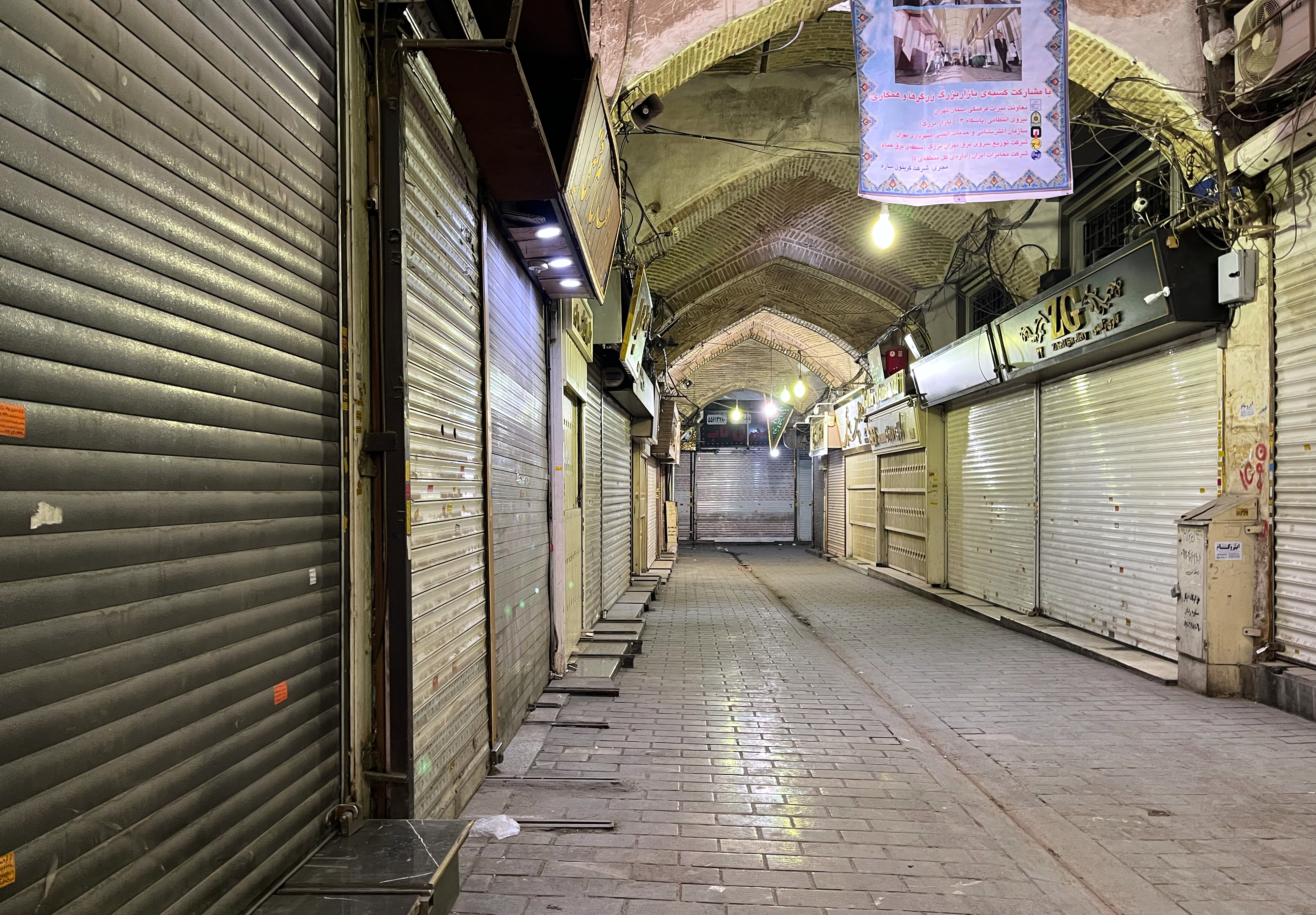
In Iran, the digital shutters slammed shut just as the streets ignited. Last night, Iranians in Tehran and across the nation took to the streets and even their rooftops, answering a call to mass protest from exiled Crown Prince Reza Pahlavi. The move marks a significant escalation of the unrest against the Islamic Republic, unrest that began with economic grievances and has now seemingly morphed into something much larger.
Iran on Edge: Internet Blackout Fuels Prince's Reb...
Almost immediately after the protests began, reports flooded in of internet blackouts and telephone line disruptions throughout Iran. Anyone who's followed this region knows that's the playbook: when the regime feels threatened, information flow is the first casualty. This latest round of demonstrations is a critical test, arguably the biggest yet, of Pahlavi's influence over the Iranian populace, decades after his father was ousted in the lead-up to the 1979 revolution.
The chants on the streets – and, crucially, from within homes – tell a story. Some protesters are even voicing support for the former Shah, something that would have carried a death sentence not long ago. This really underscores the depth of the simmering anger fueling these demonstrations. We're talking about a level of frustration that's gone beyond just the economy and seems to tap into a deeper well of dissatisfaction with the current regime.
According to the Human Rights Activists News Agency, at least 39 people have tragically lost their lives in the violence linked to the protests, and over 2,260 individuals have been detained. It's a grim reminder of the stakes involved. One of the persistent challenges for Iranian opposition movements has been a lack of centralized leadership, and so far, these protests have largely followed that pattern. The long-term impact of Pahlavi’s call to action remains to be seen, but it's clearly injected a new element into the equation.
"The lack of a viable alternative has undermined past protests in Iran," points out Nate Swanson of the Atlantic Council, and he's absolutely right. He added, "There may be a thousand Iranian dissident activists who, given a chance, could emerge as respected statesmen... But so far, the Iranian security apparatus has arrested, persecuted and exiled all of the country’s potential transformational leaders.” It’s a sobering thought, and it highlights the uphill battle any opposition movement faces in Iran.
Pahlavi's call specifically urged demonstrations at 8 p.m. local time on both Thursday and Friday. As Thursday evening rolled around, neighborhoods in Tehran and elsewhere were filled with chants like "Death to the dictator!" and "Death to the Islamic Republic!" Some even praised the Shah, shouting, "This is the last battle! Pahlavi will return!" Thousands were reportedly seen on the streets, although verifying these numbers independently, particularly with the internet down, is incredibly difficult.
"Great nation of Iran, the eyes of the world are upon you. Take to the streets and, as a united front, shout your demands," Pahlavi said in his statement, also warning the Islamic Republic and its leadership that the world, including President Trump, was watching closely and that suppressing the people would not go unanswered.
Pahlavi has indicated that he plans to unveil further plans based on the response to this initial call. Of course, his past support for Israel has drawn criticism, especially after the recent conflict. While some protesters are clearly nostalgic for the Shah, it's still unclear whether that translates into direct support for Pahlavi himself or simply a yearning for a different, perhaps idealized, past.
Iranian officials appear to be taking the planned pro…
Comments
Please sign in with Google to post a comment
No comments yet. Be the first to comment!