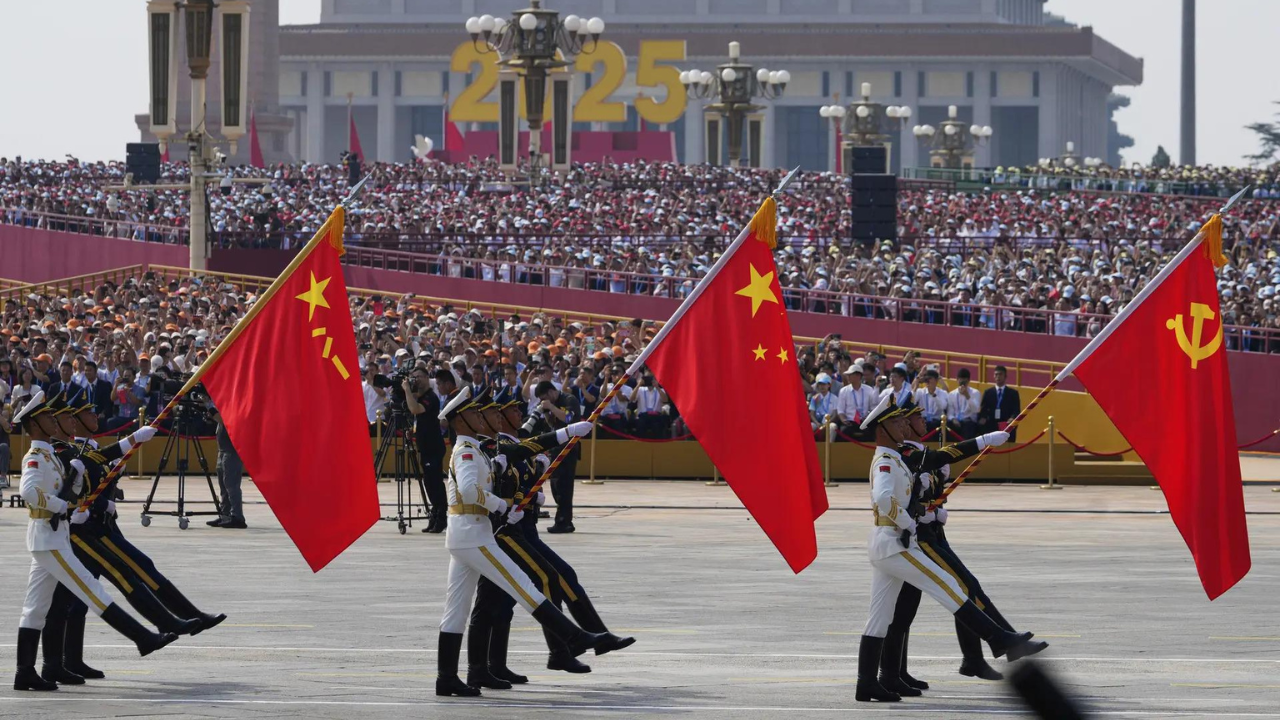
China's aspirations of becoming a dominant player in the global arms market are facing some serious headwinds. Recent battlefield failures, from the Indian subcontinent to South America, are raising uncomfortable questions about the reliability of Chinese-made weaponry. It seems shiny new hardware isn't always a guarantee of success on the battlefield. Let's delve into this a bit.
Chinese Weapons CRISIS: Critical Failures EXPOSED!...
The incidents are painting a less-than-flattering picture of Chinese defense technology. Think of it: Operation Sindoor, where Indian forces reportedly made mincemeat of Pakistani defenses. It seems those Chinese-supplied HQ-9 air defense systems, intended to be the shield against incoming attacks, simply didn't live up to the hype. Reports suggest they were unable to intercept Indian missiles, including the BrahMos, which is co-developed with Russia. Ouch.
But the problems don't end there. Newsweek reported that in Venezuela, a U.S. operation to capture President Maduro and his wife apparently exposed significant vulnerabilities in Chinese-supplied radar and communication networks. According to a Taiwanese official cited in the report, this incident underscored Washington's technological edge over Chinese military equipment. The supposed star of the show was the US EA-18 Growler, an electronic warfare aircraft that specializes in jamming and disrupting enemy communications. It seems this played a key role in neutralizing Venezuela's defenses, allowing U.S. special forces to move in and out with relative ease.
It's not just Chinese equipment facing scrutiny, mind you. Reports also suggest that some Russian-supplied missiles also failed to perform as expected during these conflicts. However, the focus is definitely on China right now, given its ambition to be a top-tier arms exporter. It's one thing to display impressive military hardware in parades (we've all seen those), but quite another to have it perform effectively under real combat conditions.
What does this all mean for China's reputation? Well, it’s not good. Potential buyers are likely reassessing their options. Reliability is paramount in the arms trade. If your weapons systems can't be counted on to perform when the chips are down, customers will go elsewhere. The perception of quality and effectiveness is crucial. It's a tough blow, and China will need to work hard to regain trust and prove that its defense technology can truly deliver on its promises. This might mean going back to the drawing board to address the technological gaps exposed in these recent events. The world is watching.
Comments
Please sign in with Google to post a comment
No comments yet. Be the first to comment!