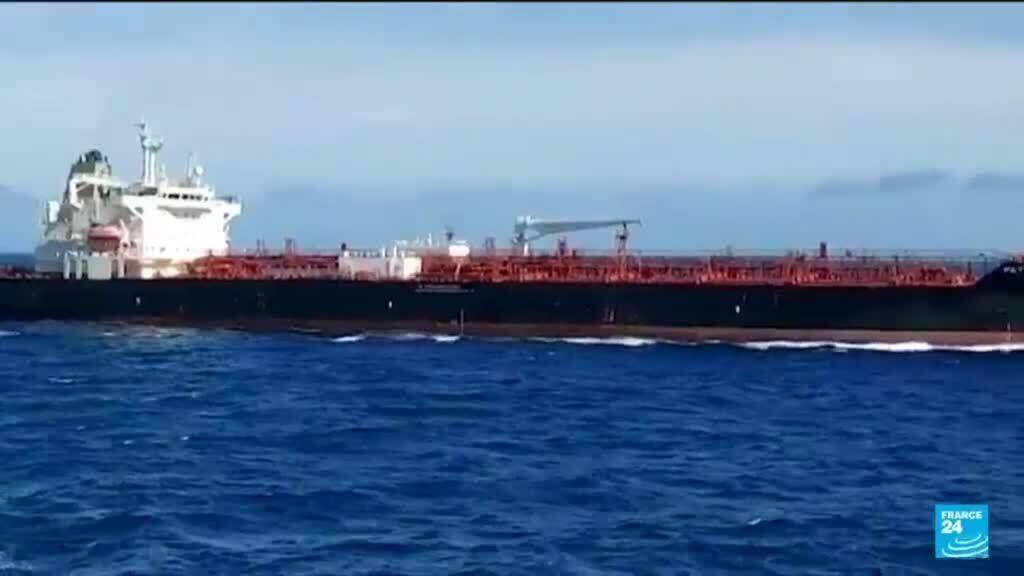
The high seas have always been a bit of a murky place, but lately, things have gotten downright shadowy. We're talking about "Shadow fleets" – a term that's been popping up more and more in news reports about sanctions and international trade. But what *are* shadow fleets, and how do they actually operate? Well, let's dive in.
Shadow Fleet Secrets REVEALED: US Oil Tanker Seizu...
In essence, a shadow fleet is a collection of aging oil tankers – often past their prime and nearing the end of their operational lives – that are used to transport oil, specifically from countries facing Western sanctions. Think Russia, Iran, and Venezuela. The whole point? To circumvent those very sanctions and keep the oil flowing (and the money, of course) to these nations.
Since 2022, Russia has reportedly poured billions of euros into building and maintaining this clandestine fleet. Why? Because oil is a major revenue stream, and sanctions threaten to cut that off. August Hakansson has been digging into the mechanics of these fleets, and it's a complex picture. Think about it: these aren't your standard, well-maintained tankers sailing under their own flags. They’re often operating under false flags, meaning they're registered in countries that don't have strict regulations or are willing to turn a blind eye.
One of the key features is the "ghost" aspect. The exact inner workings are deliberately obscured. Tankers might engage in ship-to-ship transfers in the middle of the ocean, making it harder to track the origin and destination of the oil. They might also use shell companies to mask ownership and avoid scrutiny. It's all about creating layers of deniability.
And this isn't just some theoretical problem. Just this week, the U.S. announced the seizure of two oil tankers allegedly involved in sanctioned trade. This highlights the real-world impact and the ongoing efforts to combat these shadow operations. It shows these fleets are not impenetrable, but catching them is a cat and mouse game.
Frankly, these fleets are a challenge to international law and order. They undermine the effectiveness of sanctions, which are meant to be a tool for influencing behavior and promoting peace. The more these fleets operate with impunity, the more likely other countries will be tempted to follow suit. The situation demands increased vigilance, international cooperation, and a willingness to crack down on those who are facilitating this shadowy trade. What's certain is that this won't be going away anytime soon.
Comments
Please sign in with Google to post a comment
No comments yet. Be the first to comment!