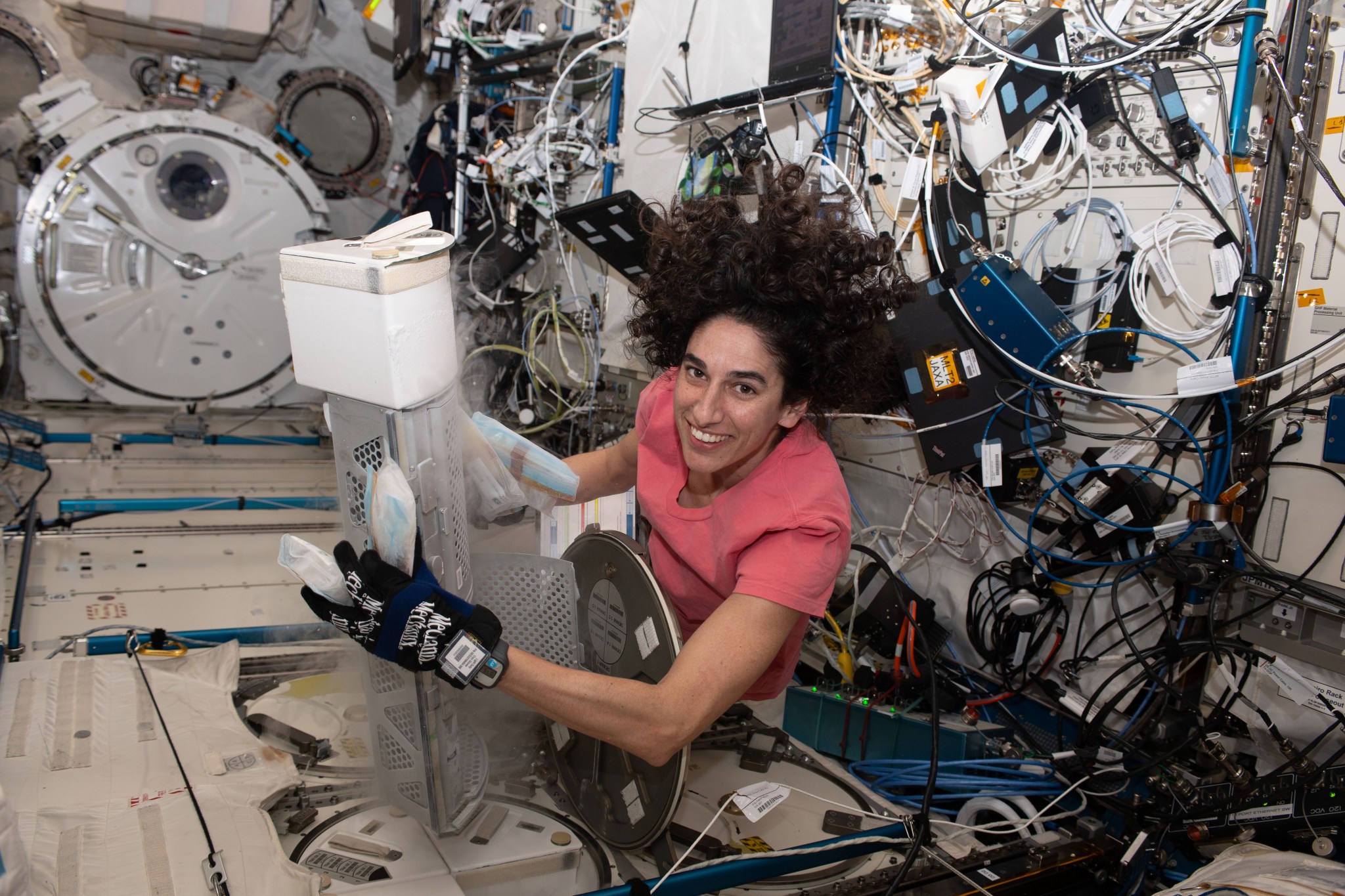
Twenty-five years. A quarter of a century of continuous human presence in space. Let that sink in for a moment. Since November of 2000, humanity has had a permanent outpost orbiting our planet, a testament to what we can achieve when we put aside terrestrial squabbles and work together.
25 Years in Orbit: Shocking Discovery Changes Spac...
The International Space Station (ISS), a shining beacon of international collaboration, is far more than just a floating laboratory. Over 290 individuals, representing 26 nations, have called the ISS home, arriving and departing aboard a variety of spacecraft, both government-run and increasingly, commercially operated. It's not just governments anymore; the private sector is now playing a major role in space exploration, which is frankly, incredibly exciting.
But the ISS is not just about the adventure; it's about the science. Over 4,000 experiments, involving over 5,000 researchers hailing from a staggering 110 countries, have been conducted within its microgravity environment. These aren't just abstract scientific endeavors; they're investigations with tangible benefits for us back here on Earth, and vital steps for our ambitions beyond our planet.
One of the most crucial areas of research on the ISS revolves around the human body. NASA's Human Research Program (HRP) is dedicated to understanding the profound changes astronauts experience in orbit. It's a tough environment, after all. Astronauts spend roughly two hours each day exercising just to combat bone density loss, muscle weakness, and cardiovascular issues. Even with intense exercise, the effects of prolonged microgravity are significant. Upon returning to Earth, astronauts often describe our planet as feeling strangely heavy, loud, and almost *too* still. I can only imagine what that sensory readjustment must be like.
And that's where the HRP comes in. Scientists meticulously track these changes, developing solutions ranging from improved exercise routines to advanced medical monitoring and even specialized nutritional strategies. The knowledge gained isn't just about keeping astronauts healthy; it's inspiring new medical technologies and providing critical insights into how the human body adapts to the extreme conditions of long-duration spaceflights. This is essential, especially as we look towards longer missions to the Moon and eventually, Mars.
Indeed, the ISS serves as a critical stepping stone for future exploration. It's a training ground for the skills, technologies, and understanding necessary for NASA's Artemis program and beyond. Mastering simple tasks like drinking, sleeping, and handling materials in microgravity, developing solutions to combat its effects on the body, and testing the reliability of life support systems are all crucial for deep-space travel. From in-orbit agriculture to 3D printing, the ISS is where these innovations are tested and refined.
While the initial focus of the ISS was on construction, its second decade has been dedicated to maximizing its scientific potential. And as we celebrate 25 years of continuous human presence in space, it's clear that the ISS is not just a space station; it's a symbol of our collective ambition and a crucial platform for the future of human exploration.
Comments
Please sign in with Google to post a comment
No comments yet. Be the first to comment!