**‘A Volatile White House’: What Shaped Responses to U.S.’s Venezuela Attack?**
Venezuela Attack: White House Chaos Exposed! What ...
The dust is still settling after the U.S. military's unprecedented operation in Venezuela, which resulted in the capture of President Nicolas Maduro and his wife on narco-terrorism charges. While Washington defends its actions by invoking the Monroe Doctrine, the international community's response has been, shall we say, carefully worded. It's a diplomatic tightrope walk, balancing condemnation with the ever-present need to stay on good terms with a powerful, and perhaps unpredictable, ally.
Canada, for instance, has issued a statement, but it's a masterclass in diplomatic understatement. Foreign Affairs Minister Anita Anand urged "all parties to exercise restraint and uphold international law." Notice anything missing? That's right, a direct mention of the United States. It's like acknowledging a giant elephant in the room without actually naming it.
Why the tiptoeing? Well, according to experts like Diez, who specializes in international relations, it all comes down to "a volatile White House." "If you say the wrong thing," he explained, "there's going to be pushback." He added, rather pointedly, that ongoing trade negotiations under CUSMA are likely influencing Ottawa's cautious approach. It's a cynical view, perhaps, but not entirely unrealistic. After all, who wants to jeopardize a multi-billion dollar trade agreement over a thorny political issue?
Luis van Isschot, a history professor at the University of Toronto, minces fewer words. He calls the U.S. capture "a particularly bold move, and a particularly bold violation of international law, and of Venezuelan sovereignty." He’s right, of course. Article 2 of the UN Charter is pretty clear about prohibiting the use of force against another state's territorial integrity. It's a principle that, apparently, some nations are more equal than others in adhering to.
The UN Secretary General, António Guterres, also expressed "deep concern," warning of a "dangerous precedent." Meanwhile, across the Atlantic, the UK Prime Minister sidestepped the question of international law violations, and French President Macron, while critical of the Maduro regime, conveniently avoided mentioning the U.S. in his public statement. It seems everyone is walking on eggshells.
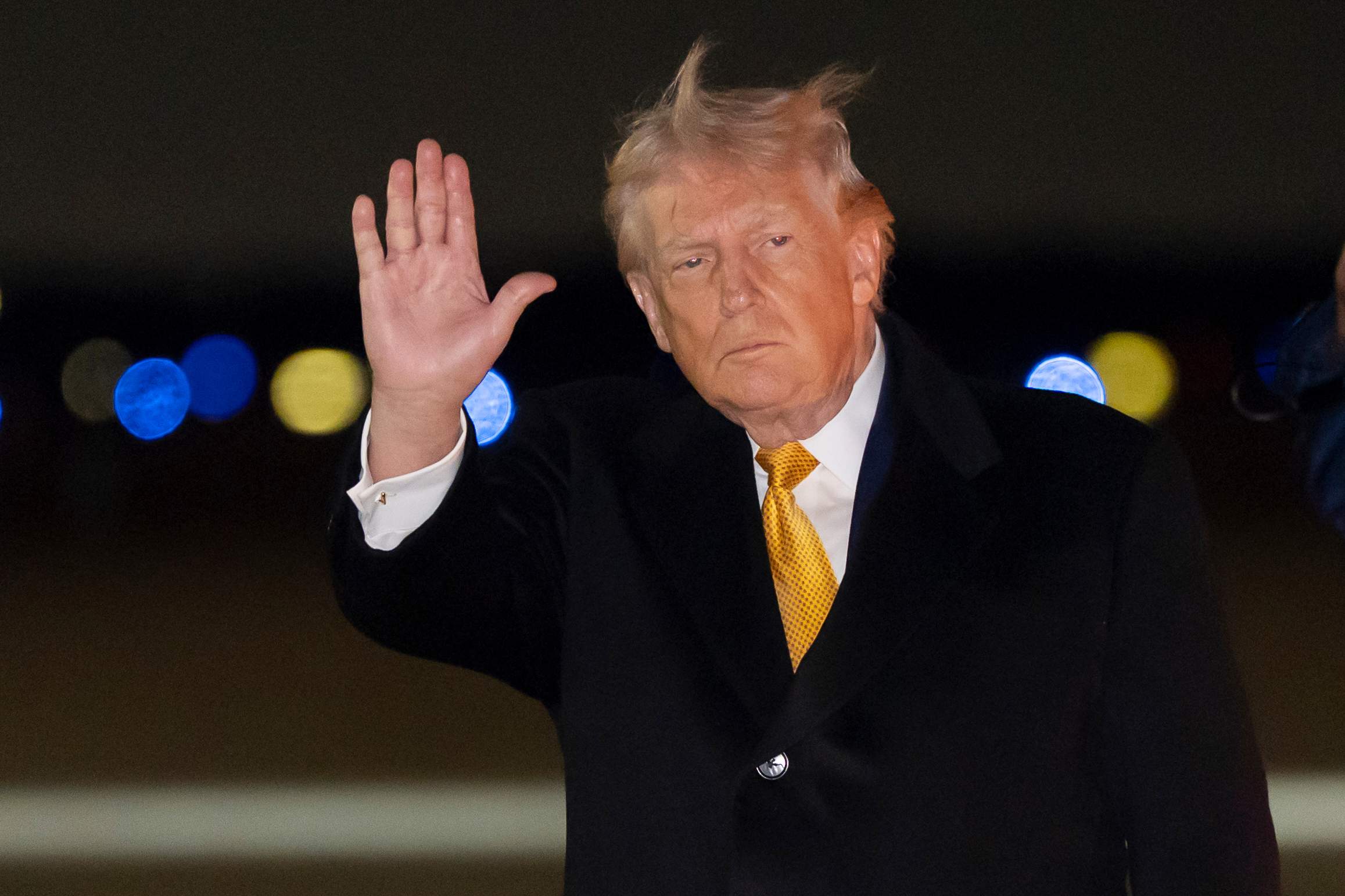
Trump, however, is doubling down, invoking the Monroe Doctrine – a two-century-old principle – to justify the intervention. Diez sums it up bluntly: "It's 'might make right,' essentially." Frankly, even I had to do a double-take when I heard Trump refer to it as the "Donroe doctrine," a cringeworthy moment that perfectly encapsulates the current administration’s…unique approach to diplomacy. And if that wasn't enough, he followed it up with renewed threats of annexing Greenland. One has to wonder, what's next? Stay tuned, I suppose, because this is a story that's far from over.
Comments
Please sign in with Google to post a comment
No comments yet. Be the first to comment!