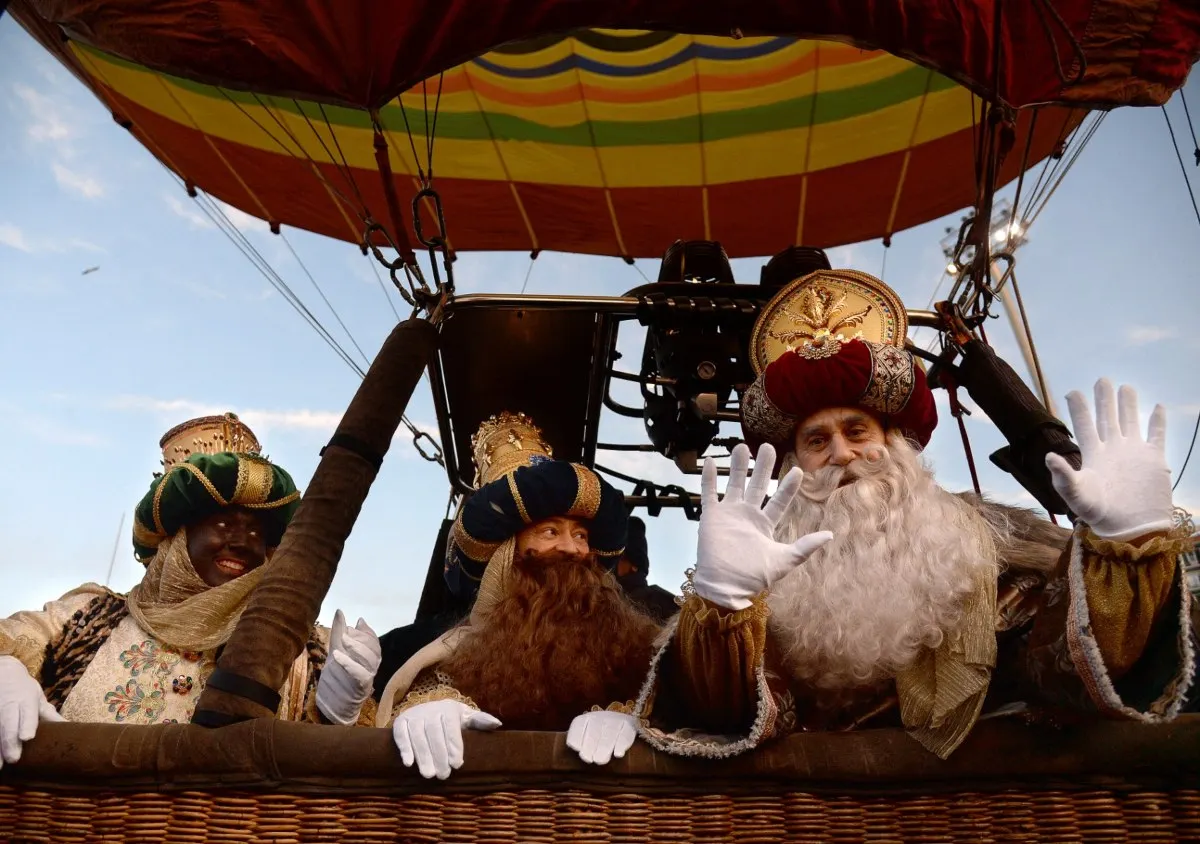
Christmas might be winding down in many parts of the world, but hold on a minute! In Spain, the festivities are far from over. While December 25th is certainly acknowledged, the real crescendo of the holiday season hits on January 6th with the arrival of *los Reyes Magos* – the Three Wise Men.
Spain's Three Kings vs. Santa: The SHOCKING Reason...
Now, don't get me wrong, Santa Claus has made inroads. You'll see him popping up in shopping malls and decorating homes, especially those with younger children influenced by, well, let's just say, globalized marketing. But traditionally, and for many Spaniards still today, the Three Kings reign supreme. Why? It's a fascinating blend of history, religion, and deeply ingrained cultural tradition.
Think about it: the Three Kings, Melchior, Caspar, and Balthazar, represent the biblical story of the adoration of baby Jesus. They journeyed from afar, bearing gifts of gold, frankincense, and myrrh. This narrative resonates strongly in a country with such deep Catholic roots. It’s a story that's been passed down through generations, shaping Christmas celebrations for centuries.
The difference is in the anticipation. Instead of hanging stockings on Christmas Eve, Spanish children leave their shoes out on the evening of January 5th, filled with straw or barley for the Kings' camels. They also often leave out water or sweets for the weary travelers. The next morning, January 6th, the straw and barley are gone, replaced with presents! Just like Christmas morning elsewhere, it’s a frenzy of unwrapping and joy.
I remember spending a Christmas season in Seville a few years back, and the sheer spectacle of the *Cabalgata de Reyes* (Three Kings Parade) blew me away. The streets were packed with families, everyone vying for the best spot to catch the Kings throwing sweets from their elaborately decorated floats. It was chaotic, colourful, and utterly captivating. Trust me, it dwarfs anything I’ve seen Santa do. It's an experience that truly encapsulates the Spanish spirit of vibrant tradition.
Beyond the presents, January 6th is also a day for feasting. Families gather for a special meal, often ending with the *Roscón de Reyes*, a ring-shaped cake decorated with candied fruits. Hidden inside is a small figurine and a dried bean. Finding the figurine brings good luck, while finding the bean... well, let's just say you're responsible for buying the cake next year! It's all part of the fun.
So, while Santa has certainly made his presence felt, it's safe to say that in Spain, the Three Kings still hold a very special place in people's hearts. They represent not just gift-giving, but a connection to history, faith, and the joy of shared traditions. And honestly, who can resist a parade with camel-riding Kings throwing candy?
Comments
Please sign in with Google to post a comment
No comments yet. Be the first to comment!