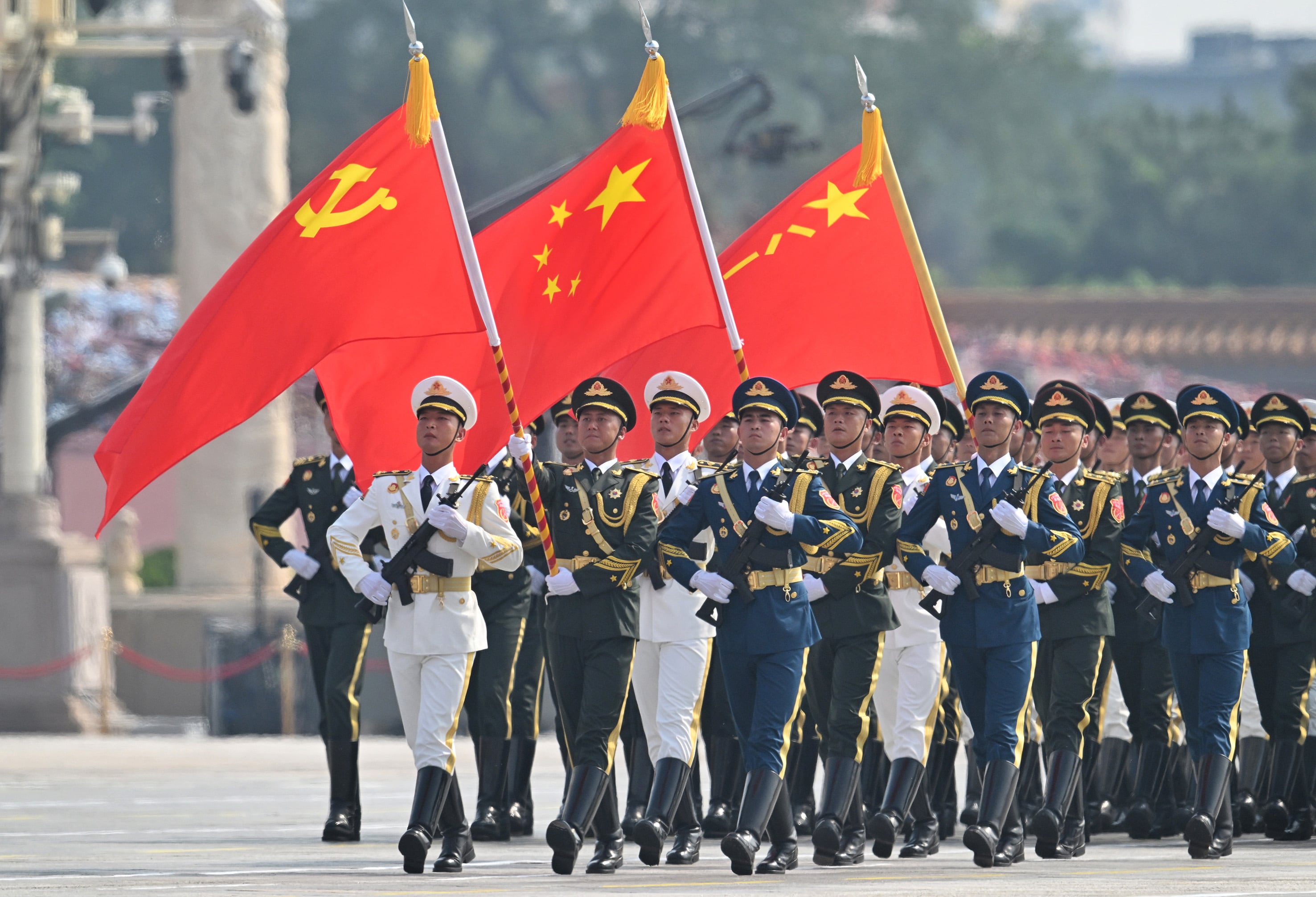
The world stage is heating up, folks, and it's looking less like a simple two-player game and more like a chaotic free-for-all with two very big kids calling the shots. The battle for global dominance between the U.S. and China is no longer just a whisper in the halls of power; it's a full-blown struggle for hegemony, with the rest of US caught in the crossfire. And what's truly fascinating – and perhaps a bit alarming – is how the chessboard is being configured.
US vs. China: Hegemony at Risk?! What This Power S...
Forget the clear-cut alliances of the Cold War. We're not talking about a bipolar world anymore. Reports indicate that the White House even views the European Union – an ally, ostensibly – as a potential adversary, allegedly planning to undermine the bloc by cozying up to national-populist movements. That's a bold, if not reckless, move, and it firmly plants Europe as a major, albeit complicated, player in this emerging world order. You've also got a rising India, plus a host of influential medium-sized powers all vying for influence.
China's resilience in the face of U.S. pressure is also a key factor. They control strategic raw materials, which has forced Washington to walk back some of its more aggressive trade tactics. The tea leaves suggest that 2026 will be a pivotal year, giving US a clearer picture of how this balance of power is truly shaping up. Personally, I think it's going to be a nail-biter.
Both the U.S. and China are laser-focused on strengthening their own positions. The U.S. is flirting with a colossal military budget that could approach a trillion dollars – that's with a "T" – while American companies are pouring resources into key sectors. Meanwhile, China is pushing hard for technological independence, aiming to become a global leader in innovation. They want to be the ones setting the standards, not just following them.
Of course, neither nation is without its vulnerabilities. The U.S. faces the looming threat of an economic bubble – we've seen that movie before, and it doesn't end well. China, on the other hand, is building its global influence through investments and less formal groupings like BRICS and the Shanghai Cooperation Organisation (SCO). These aren't just clubs; they're networks of power, and they're expanding rapidly.
Washington is expected to fiercely defend its sphere of influence in the Americas, preventing any significant strategic incursions from rival powers. And China? Well, they're not exactly thrilled with the U.S. military presence in their backyard – a region that's not only economically vibrant but also a potential powder keg, especially when you consider the Taiwan question. The recent SCO summit and military parade in China, drawing leaders from across the globe, including India, which has signaled a willingness to improve relations after facing US sanctions, underscores Beijing's growing influence. It's a complex dance, this struggle for supremacy, and the stakes couldn't be higher.
Comments
Please sign in with Google to post a comment
No comments yet. Be the first to comment!