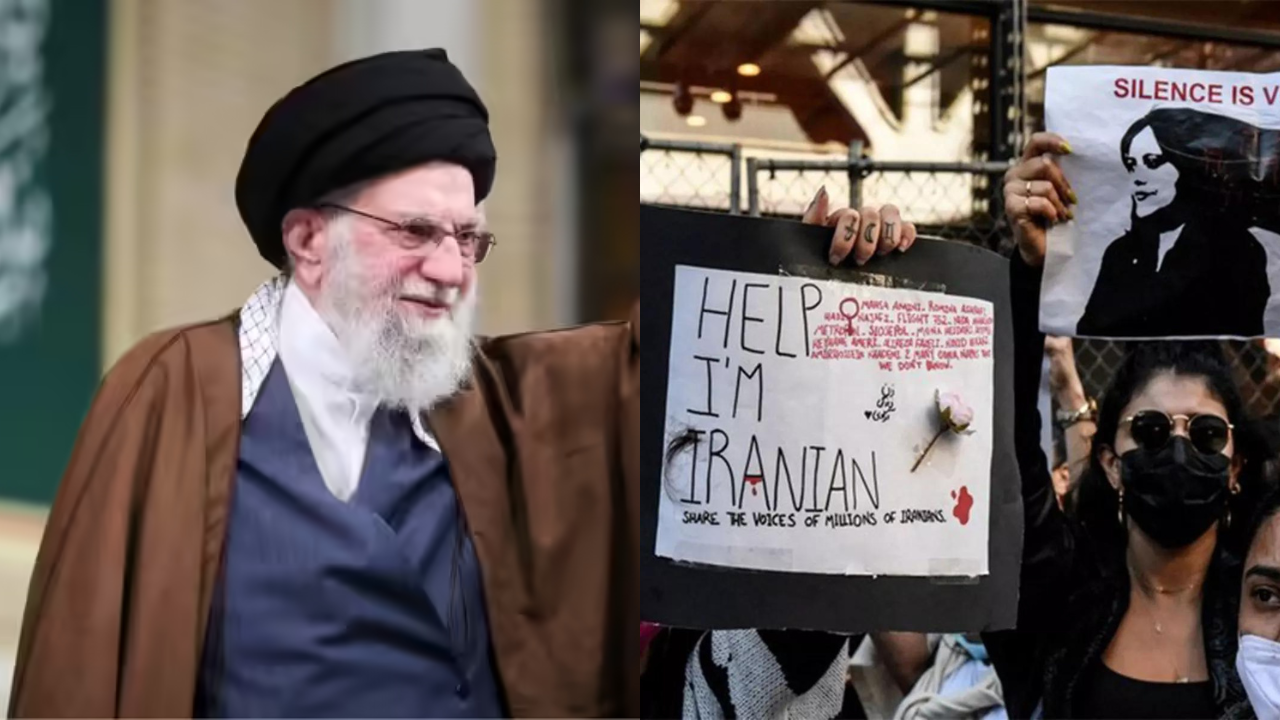
Iran is currently grappling with a volatile situation as widespread protests, fueled by a plummeting currency and runaway inflation, have turned deadly. What started as economic frustration has quickly escalated into a significant challenge to the ruling regime, with reports of at least seven deaths and demonstrations spreading across the country. It's a tense situation, and one that demands closer scrutiny.
Iran's Deadly Protests: Currency CRASH Fuels Fury!...
The unrest initially sparked in Tehran's bustling bazaars last Sunday, triggered by the rial's unprecedented fall and the subsequent skyrocketing prices of everyday goods. Imagine trying to put food on the table when the cost keeps changing, and always going up. The anger is palpable, and it's now overflowing into the streets.
But this isn't just about economics anymore. The protests have become a focal point for broader public discontent, with demonstrators openly challenging the authority of Supreme Leader Ayatollah Ali Khamenei. Chants of "Death to the Dictator" and "Death to Khamenei" reverberate through the streets, a clear sign of the depth of the frustration.
President Masoud Pezeshkian has acknowledged the public's anger, promising to address what he calls "legitimate demands." The government is scrambling to respond, implementing both economic and security adjustments. They've appointed a new central bank chief, presumably hoping to stabilize the currency. Security measures have also been ramped up, particularly around universities, a traditional hotbed of dissent.
To give you a clearer picture of what’s happening, here are 10 key things to know about the current situation:
1. **Seven Killed in Two Days:** The violence is escalating. Both protesters and security forces have lost their lives in the clashes. State media confirms at least one death as the government tries desperately to quell the rising tide of unrest.
2. **Largest Protests Since 2022:** This is the most significant challenge the Iranian government has faced since the 2022 protests sparked by the tragic death of Mahsa Amini. That event, as I'm sure you recall, ignited a firestorm of anger about social freedoms.
3. **Economic Crisis Fuels Anger:** This is the heart of the matter. Soaring inflation, a collapsing currency, and rising living costs are pushing people to the brink.
4. **Protests Spread Nationwide:** The unrest isn't confined to Tehran. Demonstrations have erupted in cities across Iran, including Shiraz, Isfahan, Kermanshah, and Fasa, indicating a nationwide sense of grievance.
5. **"Death to Khamenei" Chants:** These aren't just isolated incidents. Videos circulating online show widespread chanting against the Supreme Leader, a direct challenge to his authority.
6. **Bazaar Merchants Lead Protests:** The bazaar merchants, the backbone of Iran's economy, are playing a pivotal role in organizing and leading these demonstrations. Their involvement adds significant weight to the protests.
7. **Government Response:** The government is trying a two-pronged approach: suppressing the protests with security measures while simultaneously promising economic reforms. The question is whether they can deliver on those promises.
8. **New Central Bank Chief:** A new face at the helm of the central bank is a clear attempt to regain control of the economy, but whether it will be effective remains to be seen.
9. **Security Tightened:** Expect to see an increased security presence in major cities, particularly around universities and other sensitive locations. The government is clearly trying to prevent the protests from gaining further momentum.
10. **Broader Frustration:** Ultimately, these protests are about more than just the economy. They reflect a deep-seated frustration with inflation, unemployment, water shortages, and broader governance issues. It's a complex situation, and the future of Iran hangs in the balance.
Comments
Please sign in with Google to post a comment
No comments yet. Be the first to comment!