Spain Implements New Tax Hikes as Debt Soars – Is This the Road to Ruin?
Sanchez's 100th Tax Hike: Is Spain's Economy About...
By Adam Woodward • Published: Jan 1, 2026 • 6:04 PM • 3 min read
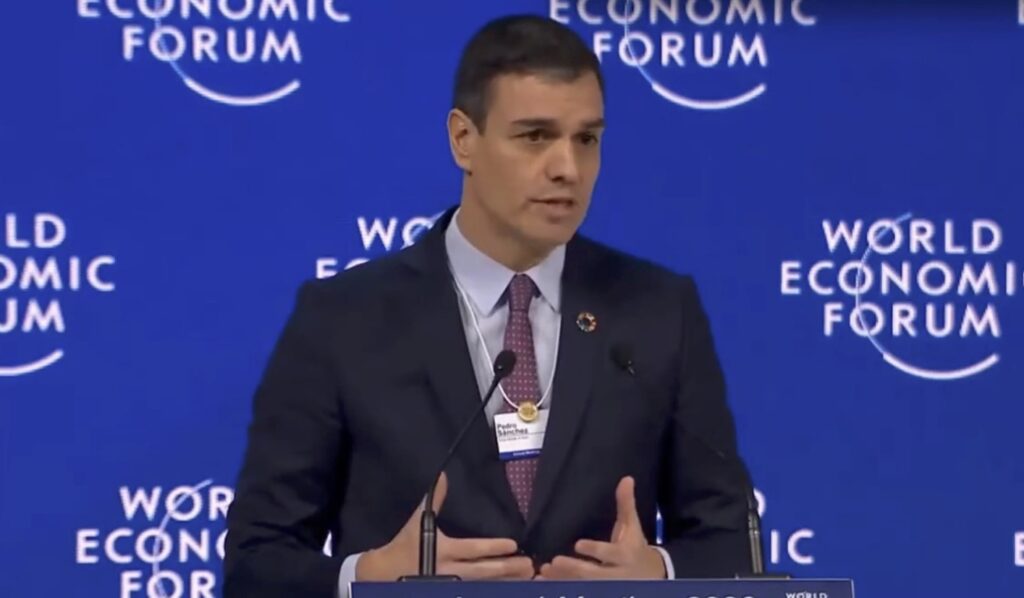
Happy New Year, Spain! Or, maybe not so happy. As 2026 dawns, Spaniards are greeted with yet another round of tax increases, marking a dubious milestone: Prime Minister Pedro Sánchez's 100th hike since assuming office. It’s a number that's hard to ignore, and frankly, pretty alarming.
This latest batch includes increases to the Intergenerational Equity Mechanism (MEI), a levy ostensibly aimed at bolstering the pension system, and the Solidarity Quota, which supposedly ensures everyone contributes fairly to social programs. There are also increases to taxes on real estate and capital gains. On paper, it all sounds vaguely noble. In reality, it's another squeeze on already strained households and businesses.
Now, here’s the really head-scratching part. Since 2018, the Sánchez government has raked in an extra €513 billion in tax revenue. That’s a staggering amount of money. You'd think that with that kind of cash infusion, public services would be thriving and the national debt would be shrinking. Think again. Instead, public services remain, shall we say, *stagnant*, and the national debt has ballooned by a virtually identical €507 billion. Where did all that money go? That's the question everyone's asking.
The core issue, as pointed out by Popular Party (PP) leader Alberto Núñez Feijóo, is the "constant impoverishment of the Spanish population." And the numbers don't lie. According to official data, a whopping 80 percent of citizens reported a loss of purchasing power in the last year alone. Cumulative inflation, coupled with the government's refusal to adjust income tax brackets to reflect that inflation, has created a perfect storm. Wages may be inching upward, but prices and taxes are rising at warp speed.
PP sources are even more blunt, stating that "Spaniards' real income is negative," confirming that people are objectively poorer now than they were before the pandemic. And you can feel it. Go to the supermarket; I dare you. Food prices are up a staggering 40 percent since Sánchez took office. Filling the fridge, once a routine task, has become a significant financial burden for many families. It's getting to the point where you have to ask yourself, what's next? More taxes? More debt? At what point does this cycle end? The social cost, already evident, can only worsen if a change in course isn't adopted. It's a complex problem with no easy answers, but one thing is clear: Spain is at a critical juncture, and the path ahead is far from certain.
Comments
Please sign in with Google to post a comment
No comments yet. Be the first to comment!