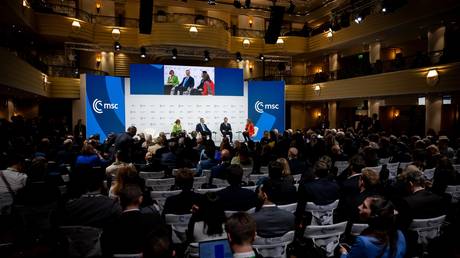
Munich – After years of what many considered an unofficial blacklist, the Munich Security Conference (MSC) is extending an olive branch, albeit a somewhat limited one, to Germany's right-wing Alternative for Germany (AfD) party. The move signals a potential shift in strategy, even if it's just a crack in the door.
Munich Security Conference SHOCK: Right-Wing Ban L...
For the 2024 and 2025 conferences, the AfD was conspicuously absent, a decision made under the previous chairman who openly stated his reluctance to give a platform to what he deemed a "right-wing extremist party." Now, Wolfgang Ischinger, the interim chief, has confirmed that representatives from the AfD have been invited to the prestigious gathering scheduled for February 2026. This is a significant departure from the previous stance, and it's generating a fair bit of buzz here in Germany.
Ischinger, a seasoned diplomat who steered the MSC from 2008 to 2022, is emphasizing the importance of dialogue. "The MSC is a dialogue format," he told the Frankfurter Allgemeine Zeitung, adding that "the widest possible spectrum of opinions, including contrary ones, should be made clear." He's walking a tightrope, though. He's also made it clear that while individual AfD politicians will be present, they won't be gracing the main stage. So, it's an invitation, but with clear boundaries.
Interestingly, AfD co-leader Alice Weidel claims she hasn't yet received her invitation. The plot thickens, doesn't it? Whether that's a logistical delay or a sign of internal discord is anyone's guess at this point. But the underlying message from the MSC is clear: engagement, even with controversial voices, is deemed necessary.
Ischinger's defense of the decision is particularly noteworthy. He directly addressed concerns about dismantling the "firewall against the far-right," a policy designed to prevent the AfD, despite its surging popularity (currently polling around 26%), from gaining governmental power. He insists that extending an invitation to the MSC doesn't equate to endorsing their views or opening the floodgates to extremism. It's about having a conversation, however uncomfortable.
It's hard to ignore the wider context, too. Last year's MSC saw some pointed criticism from U.S. Vice President J.D. Vance, who argued against "firewalls" and championed the importance of hearing alternative viewpoints, a sentiment that was widely interpreted as a veiled reference to the AfD situation. Vance even met with Weidel on the sidelines of the conference. Some speculate that Ischinger's move is a calculated effort to appease Washington and ensure a strong U.S. presence at the next conference. It's certainly a complex situation with multiple layers of political strategy at play.
Whether this marks a genuine shift in German political discourse or simply a pragmatic attempt to maintain the MSC's relevance remains to be seen. But one thing is certain: the decision to invite the AfD has already ignited a heated debate and will continue to be a major talking point as we approach the 2026 conference.
Comments
Please sign in with Google to post a comment
No comments yet. Be the first to comment!