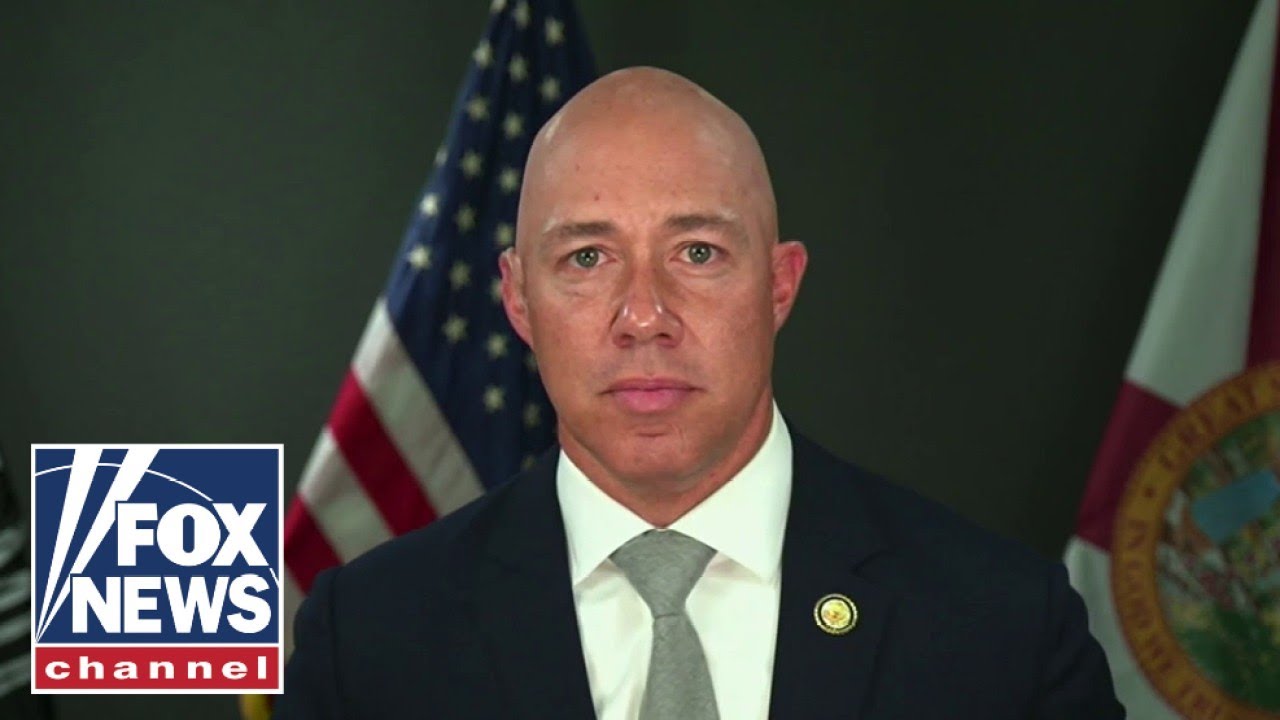
A newly surfaced video has ignited a firestorm on Capitol Hill, prompting a Republican representative to publicly question the level of secrecy surrounding alleged U.S. operations within Venezuela. It's a classic case of Washington intrigue, and it raises some serious questions about transparency and accountability in how we conduct foreign policy. We’re talking covert ops, folks, the kind that are usually shrouded in mystery for “national security” reasons. But how much is too much secrecy?
GOP Rep Demands Answers: What's REALLY Happening i...
The representative, whose name is being withheld pending further confirmations, argues quite convincingly that there are, in fact, "plenty of ways to know" what's going on. This isn't just about armchair quarterbacking; it's about the fundamental right of Congress to provide oversight, especially when we're potentially engaging in actions that could have significant repercussions internationally. Think about it – a misstep in Venezuela could destabilize the entire region.
Now, the specifics of the video haven't been released to the public yet, which is adding fuel to the speculative fire. What exactly does it show? Who is involved? These are the questions everyone's buzzing about. However, the mere existence of the video, coupled with the representative's strong stance, suggests that something significant is afoot. It's not every day you see a member of Congress publicly challenging the intelligence community on such a sensitive matter. Often, concerns are raised behind closed doors, out of the public eye. This public push suggests a level of frustration and perhaps even a lack of cooperation from relevant agencies.
The representative's argument hinges on the idea that Congress has multiple avenues for gathering information, even on classified activities. Think congressional committees, intelligence briefings, and the power to subpoena witnesses. These tools are designed to ensure that elected officials can make informed decisions about foreign policy and hold the executive branch accountable. To deny them access to information, the representative implies, is a breach of that responsibility and a potential violation of the separation of powers. It also risks a dangerous drift toward unchecked executive authority, something that should concern anyone regardless of their political leanings.
This challenge could force a very uncomfortable, but necessary, public discussion about the extent and justification of covert operations abroad. Are they truly necessary? What are the potential risks and rewards? And most importantly, how do we ensure that these operations are conducted ethically and in accordance with American values? It's a debate that's long overdue, and this situation in Venezuela may just be the catalyst we need to finally have it. Stay tuned, because this story is far from over. I, for one, will be watching closely.
Comments
Please sign in with Google to post a comment
No comments yet. Be the first to comment!