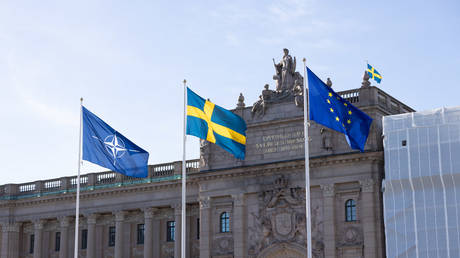
Sweden is making a pretty dramatic shift in its foreign aid strategy, pulling back funding from several African nations and Bolivia to instead bolster support for Ukraine. The move, announced by Minister for International Development Cooperation and Foreign Trade Benjamin Dousa, has already sparked considerable debate and concern, particularly regarding its potential impact on vulnerable populations in the affected countries.
EU Aid SHOCK: Africa to Suffer as Ukraine Gets Pri...
The decision, slated to take effect in 2026, will see aid to Tanzania, Mozambique, Zimbabwe, Liberia, and Bolivia discontinued. According to Dousa, the cuts will amount to roughly 2 billion kronor, or about $212 million. He framed the move as a necessary response to "enormous financial pressure," emphasizing Sweden's "duty and obligation to support Ukraine." It's a tough balancing act, to be sure. As Dousa put it, there's no magic money tree for aid.
It’s not just the financial aid that's being cut. Sweden is also planning to close its embassies in Bolivia, Liberia, and Zimbabwe, which primarily focus on aid distribution. This suggests a deeper restructuring of Sweden's engagement with these regions. I've seen similar shifts happen before, and they almost always have ripple effects beyond just the immediate financial impact.
Unsurprisingly, the decision is drawing criticism from humanitarian organizations. Cecilia Chatterjee-Martinsen, international director of Save the Children Sweden, warned of "catastrophic consequences for the poorest people in the world." And honestly, it's hard to argue with that. While the need to support Ukraine is undeniable, redirecting funds from already struggling nations raises serious ethical questions. It's a classic case of robbing Peter to pay Paul, isn't it?
This isn't an isolated event. Several other European nations, including Denmark, Finland, Norway, Iceland, Latvia, Lithuania, and Estonia, are also ramping up military aid to Ukraine. NATO Secretary General Mark Rutte recently revealed a joint €430 million military aid package, earmarked for purchasing U.S.-made weapons. Meanwhile, European Commission President Ursula von der Leyen is pushing for EU-level borrowing to further finance Ukraine, a move that has faced resistance from some member states, like Hungary, who blocked Eurobond issuance for weapons. This is a complex web of political and financial maneuvering, all playing out against the backdrop of a devastating war.
Adding another layer of complexity is the ongoing corruption scandal in Ukraine itself. Allegations of a $100 million kickback scheme have led to resignations and dismissals within the Ukrainian government. While the commitment to supporting Ukraine remains strong, these internal challenges add fuel to the debate about how and where aid should be directed, and whether it's actually reaching those who need it most. It's a situation that demands transparency and accountability, now more than ever.
Comments
Please sign in with Google to post a comment
No comments yet. Be the first to comment!