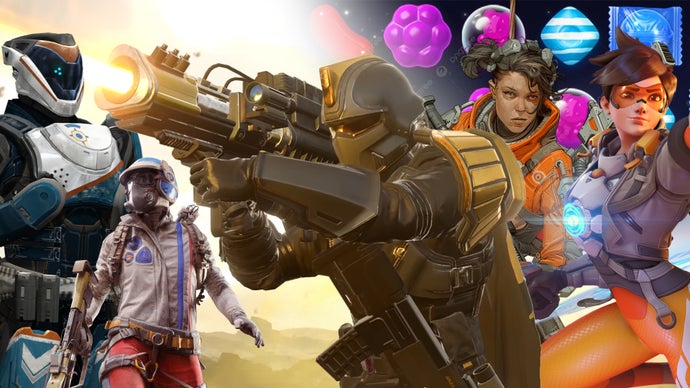
The Billion Dollar Question: Unlocking Lasting Success in Live-Service Games
The allure of live-service games, fueled by the phenomenal success of titles like Fortnite, which generated a staggering $5.48 billion for Epic in 2018 alone, continues to drive developers and publishers. However, the path to long-term success in this competitive landscape is littered with the remains of ambitious projects that failed to capture and retain players. From Warner Bros. Games' Suicide Squad flop to the premature demise of Wargaming's Steel Hunters, the industry is grappling with a fundamental question: how do you build a live-service game that thrives, not just survives?
Decoding the Live-Service Game Gold Rush: Devs Spi...
The answer, according to industry leaders, is multifaceted and hinges on a delicate balance between monetization, player experience, and long-term sustainability. While the free-to-play model, often coupled with microtransactions, has become a popular approach, it demands a deep understanding of player psychology and a commitment to fair gameplay.
King, the studio behind the Candy
King, the studio behind the Candy Crush franchise, a live-service juggernaut that has grossed over $20 billion, emphasizes the importance of respecting player time. "Stay with us forever, and then we cannot ask too much," explains general manager Paula Ingvar, highlighting the need to avoid aggressive paywalls and pay-to-win mechanics. The focus should be on integrating the game seamlessly into players' lives, providing a consistent source of joy without inducing burnout. Abigail Rindo, VP head of creative at King, echoes this sentiment, stressing the importance of "sustainability" and delivering an engaging experience that keeps players invested for the long haul.
However, the free-to-play model isn't the only route to success. Some developers are opting for a premium model, requiring an upfront purchase followed by free updates. Sharkmob, the developer behind the upcoming live-service shooter Exoborne, believes this approach fosters a different kind of relationship with players. "It's a different agreement with the consumer," says executive producer Brynley Gibson. "We're saying there's enough game here for your money, and we promise to support it in a certain way."
Furthermore, the premium model can offer an added benefit: a deterrent against cheating. As Sharkmob co-founder Martin Hultberg points out, cheating is a persistent problem in online games, and the barrier to entry created by an upfront purchase can discourage repeat offenders.
Ultimately, the key to unlocking lasting success in the live-service arena lies in understanding the unique challenges and expectations associated with each monetization model. Whether free-to-play or premium, the focus must remain on delivering a compelling, sustainable, and fair experience that keeps players engaged and invested for years to come. The billion-dollar question, it seems, has no single answer, but a complex equation that prioritizes player satisfaction above all else.
Comments
Please sign in with Google to post a comment
No comments yet. Be the first to comment!