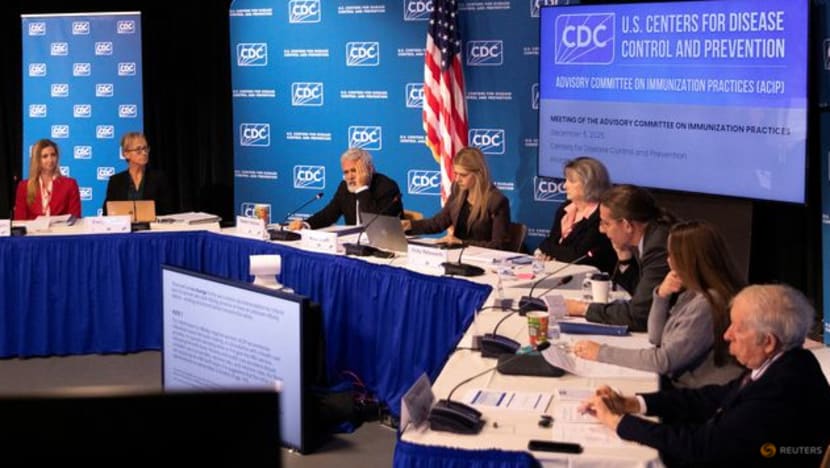
A storm is brewing in the world of public health. A U.S. advisory panel's recent decision to step back from universal hepatitis B vaccination at birth has sent shockwaves through the medical community. The move, essentially rescinding a long-standing recommendation, is drawing fierce criticism from vaccine manufacturers and infectious disease experts alike, who are warning of potentially devastating consequences for infant health.
Newborn Hepatitis B Shots: Shocking Change Sparks ...
The Advisory Committee on Immunization Practices (ACIP), which advises the Centers for Disease Control and Prevention (CDC), made the controversial decision on December 5, 2025, during a meeting in Atlanta. While I wasn't present at the meeting myself, the buzz surrounding the vote has been impossible to ignore. It feels like we're suddenly questioning decades of established practice.
Merck, a major player in the vaccine market and the producer of Recombivax HB, didn't mince words. They released a statement expressing "deep concern," arguing that the decision "puts infants at unnecessary risk of chronic infection, liver cancer, and even death." The company highlighted the remarkable success of the universal birth dose, implemented back in 1991, which led to a staggering 99% reduction in acute hepatitis B cases among children and young adults. The question is, why mess with something that's clearly working?
It's not just the manufacturers raising red flags. Organizations representing pediatricians, pharmacists, and public health professionals are also voicing their disapproval. Hepatitis B, a nasty virus that can be transmitted from mother to child during birth, can lead to severe liver disease, premature death, and, tragically, currently has no cure. The National Foundation for Infectious Diseases reports that the universal hepatitis B birth dose has been a game-changer, preventing over half a million childhood infections, slashing infant cases by 95%, and averting an estimated 90,100 deaths. These are lives we're talking about.
Adding another layer of complexity, some committee members, appointed by U.S. Health and Human Services Secretary Robert F. Kennedy Jr. – yes, that RFK Jr., a known vaccine skeptic – reportedly questioned the existing vaccine safety data. They also pointed to the fact that the U.S. vaccine schedule differs from countries like Denmark, which have low hepatitis B rates. However, correlation doesn't equal causation, and the contexts are quite different.
GSK, another vaccine heavyweight behind Engerix-B, has stated that they stand firmly behind the science supporting their vaccine, which has been around since 1989 and administered in over 1.4 billion doses worldwide. They are now waiting for the CDC's formal adoption of the recommendation before assessing the potential impact. The new recommendation suggests that only infants born to mothers who test positive for hepatitis B should receive the birth dose. Parents of infants whose mothers test negative are now advised to consult with their healthcare provider to decide when or whether to begin the vaccine series. This clearly shifts the responsibility – and the potential risk – onto individual parents.
Merck is now urging the committee to reinstate liaison organizations and frontline clinicians to its work groups, emphasizing that discussions led by actual medical and scientific experts are "essential to informing sound, evidence-based recommendations that safeguard public health." It remains to be seen how this plays out, but the stakes couldn't be higher.
Comments
Please sign in with Google to post a comment
No comments yet. Be the first to comment!