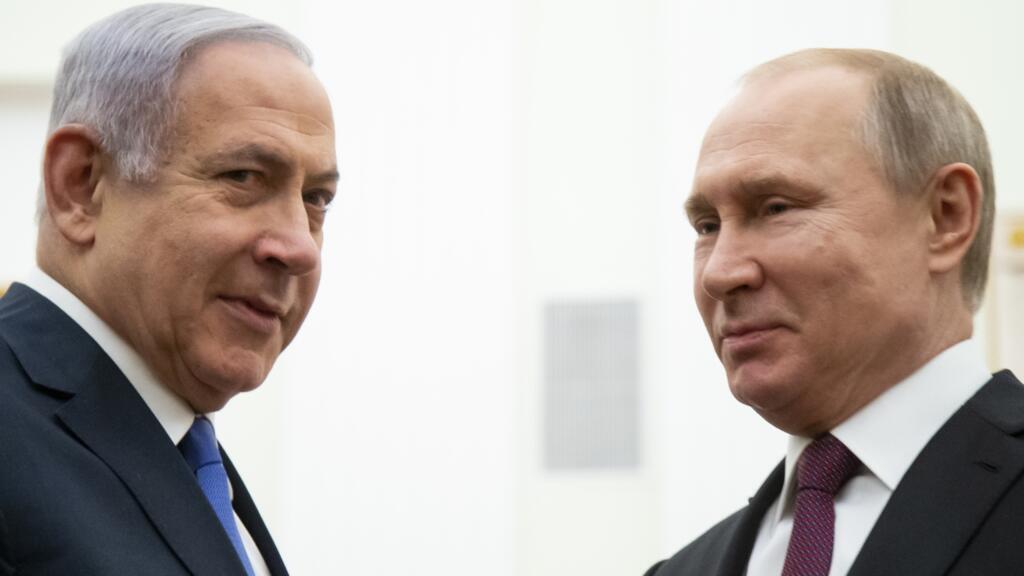
The world stage just got a whole lot more complicated, folks. The International Criminal Court (ICC) is seriously considering holding hearings *in absentia* for not one, but two major world leaders currently under arrest warrants: Vladimir Putin of Russia and Benjamin Netanyahu of Israel. This news, delivered Friday by the ICC's deputy prosecutor, is a real head-turner, and it throws into sharp relief the challenges and potential shifts in international law.
ICC to Putin & Netanyahu: SHOCKING Trial Twist! Wh...
Think about it: we’re talking about potentially holding trials without the accused even present. It's a bit of a legal tightrope walk, to say the least. The ICC’s warrants for Putin relate to alleged war crimes in Ukraine, specifically the unlawful deportation of children. Netanyahu’s warrant, meanwhile, stems from the ongoing conflict in Gaza, focusing on accusations of war crimes and crimes against humanity. Big, serious stuff.
Now, *in absentia* hearings aren't exactly new in international law, but using them for figures of this stature? That’s a whole different ballgame. Traditionally, such hearings are reserved for situations where extradition is impossible or the accused is deliberately evading justice. The ICC’s situation with Putin and Netanyahu certainly fits that bill, at least on the surface. Neither leader is exactly rushing to The Hague to answer these charges.
The potential implications are massive. Holding hearings without the accused present could be seen as a symbolic gesture, a way for the ICC to assert its authority and demonstrate that no one is above the law. But it also raises questions about fairness, due process, and the overall legitimacy of the proceedings. Can a truly just trial happen without the defendant present to defend themselves? That’s the million-dollar question, isn’t it?
Of course, there will be critics. Expect accusations of political bias and attempts to undermine the ICC’s credibility. Some will argue that this move could further inflame already tense geopolitical situations, making diplomatic solutions even harder to reach. But supporters will likely counter that inaction would set a dangerous precedent, signaling that powerful individuals can evade accountability for alleged crimes. It's a complicated situation with no easy answers, and one I'll be watching very closely as it unfolds.
And let's be honest, this situation highlights the inherent limitations of the ICC. Without its own police force, the court relies heavily on member states to enforce arrest warrants. The fact that neither Putin nor Netanyahu is likely to be apprehended anytime soon underscores just how difficult it is to bring powerful figures to justice on the international stage. The road ahead is undoubtedly fraught with legal and political challenges, but one thing is certain: the world is watching.
Comments
Please sign in with Google to post a comment
No comments yet. Be the first to comment!