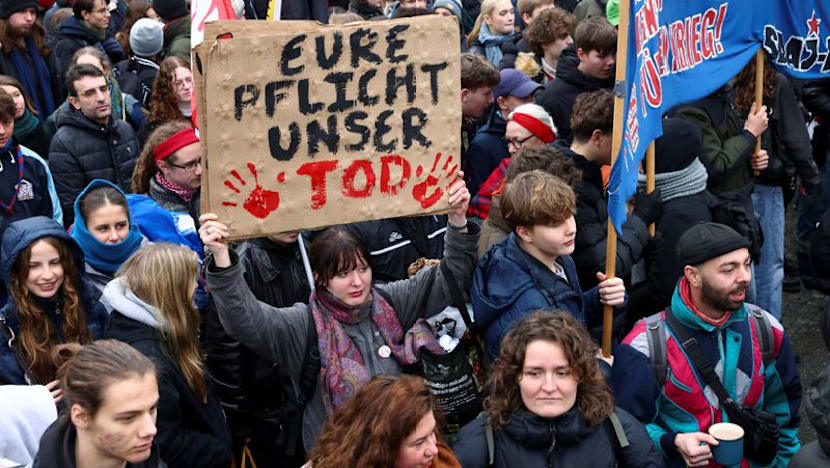
Germany is taking steps to bolster its armed forces, and they're doing it with a new, albeit controversial, approach. The German parliament has just backed a plan that offers 18-year-olds the chance to participate in a voluntary military service program. Think of it as a trial run for potentially more drastic measures down the line, especially considering the current geopolitical climate with Russia.
Germany Revives Military Service?! Is Putin's Thre...
Now, this isn't a full-blown reinstatement of conscription, at least not yet. But the door is being left wide open. The approved legislation includes a "just in case" clause that could allow for mandatory service for a limited number of individuals if the situation deteriorates. It's a balancing act, trying to beef up defenses without triggering widespread opposition. You know, nobody really *wants* to go to war, but… well, you see what's happening in Ukraine. It changes the conversation a little.
Defense Minister Boris Pistorius has been pretty vocal about this. He's emphasized that Germany's allies are watching closely, viewing Germany as a "pacesetter for defense in Europe." High praise, but also a lot of pressure. The minister welcomed the demonstrations against the plan – hey, democracy in action! – but also stressed that he believes more young people are "prepared to take responsibility" than some might think. The idea is that the initial process, a questionnaire and a medical exam, shouldn't scare anyone off. And participation, at least for now, remains voluntary.
The simple fact is that Germany, like many other European nations, has been underinvesting in its military for years. Berlin has allocated billions to modernize its military equipment and now needs bodies to operate it. It follows similar moves by France, Belgium and Poland to bolster their armed forces. Currently, ten European Union countries still maintain compulsory military service, including Austria, Finland, and Greece.
Germany actually suspended conscription back in 2011, and it's been a struggle to attract enough volunteers ever since. Military personnel numbers have dwindled, dropping significantly from 300,000 in 2001 to just over 180,000 in recent years. The goal is to reach 260,000 soldiers in the next decade and to recruit around 200,000 reservists – more than double the current number. So, they're throwing everything at this recruitment drive: enhanced pay, better training, and more flexible service durations. The minimum commitment will be six months.
The biggest hurdle may be convincing the center-left junior partner in the coalition, who are, understandably, a bit hesitant about bringing back compulsory service. That’s where this “voluntary but potentially not voluntary” approach comes in. It allows parliament to introduce mandatory service, potentially for a limited number of randomly selected individuals. The reasoning? "Particularly if the defense policy situation or the personnel situation..." Well, you can fill in the blanks there.
Comments
Please sign in with Google to post a comment
No comments yet. Be the first to comment!