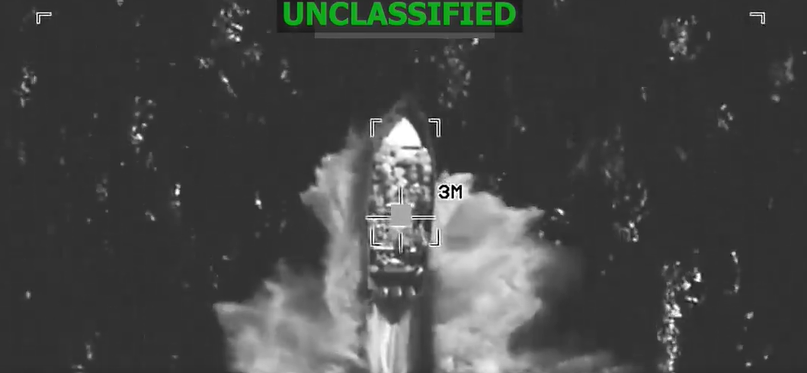
The U.S. Southern Command has released footage of yet another strike against a vessel in the eastern Pacific, marking the 22nd such operation since September. This latest incident, which occurred on December 4th, resulted in the deaths of four individuals described as "narco-terrorists," according to the official statement.
Narco-Terror Boat Strike: What Happens Next Will S...
A stark video accompanying the announcement, posted on X (formerly Twitter), shows a vessel being targeted and bombed from the air. The statement elaborated, stating that the strike was authorized by Secretary of War Pete Hegseth and carried out by Joint Task Force Southern Spear. Intelligence, according to the statement, confirmed the vessel was carrying illicit narcotics along a known trafficking route in international waters and was operated by a Designated Terrorist Organization. It's a fairly aggressive move, and the language used is definitely escalating the rhetoric around these kinds of operations.
It's worth noting that this is not an isolated incident. Just three weeks prior, on November 15th, a nearly identical strike was conducted, again authorized by Secretary Hegseth and executed by Joint Task Force Southern Spear. The justification, again, revolved around alleged narcotics smuggling by a vessel operated by a Designated Terrorist Organization. The consistency in the narrative is…well, consistent, at least. One might wonder about the criteria for designating these organizations as "terrorist" groups, however, beyond simply being involved in drug trafficking.
Since this campaign began in September, these strikes have become a fairly regular occurrence, taking place in both the Caribbean Sea and the eastern Pacific Ocean. What's particularly striking, beyond the frequency, is the cumulative toll. Thursday's operation brings the total fatalities to 87. Eighty-seven lives lost in a little over two months. That’s a significant number, and it prompts some serious questions about the long-term strategy and the proportionality of these actions. Are we truly disrupting the flow of narcotics, or are we simply creating a more violent and dangerous situation? And, perhaps more importantly, are we absolutely certain we're targeting the right people?
The ongoing nature of these strikes suggests a continued commitment to this approach, at least for the time being. The frequency, the escalating language, and the increasing number of casualties certainly warrant closer scrutiny. This is a developing story, and we'll continue to provide updates as more information becomes available. Stay tuned.
Comments
Please sign in with Google to post a comment
No comments yet. Be the first to comment!