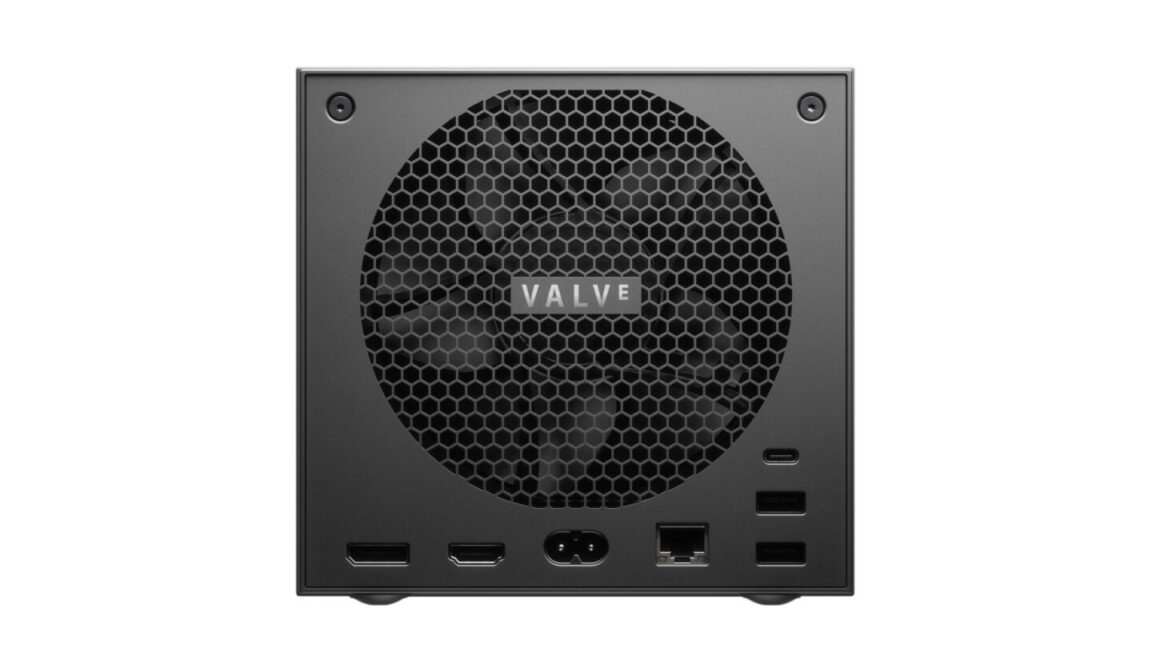
Valve's Steam Machine is generating buzz, but a closer look at its display capabilities reveals a bit of a puzzle. While the hardware itself boasts HDMI 2.1, the official spec sheet only lists support for HDMI 2.0 output. What's the deal? It turns out, it's a classic case of open-source software limitations tripping up cutting-edge hardware.
Steam Machine HDMI 2.1 Disaster?! Gamers FURIOUS! ...
As Ars Technica reported, Valve is actively working to overcome these limitations, which stem from the ongoing development of Linux drivers. The core issue lies with the HDMI Forum, the organization that governs the HDMI specification. They've put restrictions on open-source implementations of HDMI 2.1, effectively preventing the AMD drivers used by SteamOS from fully utilizing all the bells and whistles of the newer standard.
This isn't just a minor inconvenience; it's a fundamental hurdle. AMD engineer Alex Deucher has even stated that a fully compliant open-source HDMI 2.1 implementation is, as it stands, impossible without running afoul of the HDMI Forum's requirements. It's a frustrating situation, especially for a company like Valve, which champions open-source solutions.
So, what's Valve doing about it? They've been validating the Steam Machine's HDMI 2.1 hardware using Windows during testing, but the real challenge is getting it running smoothly on SteamOS. A Valve representative told Ars that they're actively "trying to unblock things there." One workaround involves pushing the limits of HDMI 2.0, which officially maxes out at 4K at 60Hz. Valve has managed to squeeze out 4K at 120Hz by employing chroma sub-sampling.
Chroma sub-sampling, for those unfamiliar, is a technique that compresses the color information in a video signal. While it allows for higher resolutions and frame rates within bandwidth constraints, it can potentially impact picture quality. Display experts at RTINGS suggest that the impact is generally minimal, noting that "some PC games that have a strong focus on text might suffer" from slightly blurrier text. Personally, I've seen it make a difference in very specific scenarios, but for most gamers, it's unlikely to be a deal-breaker.
Thankfully, there's another option: DisplayPort 1.4. The Steam Machine includes this port, which offers even more bandwidth than HDMI 2.1. And the beauty of it is, you can easily convert DisplayPort to HDMI with a simple adapter. So, if you're a stickler for perfect image quality, or if you simply want to future-proof your setup, DisplayPort is the way to go.
Ultimately, while this HDMI 2.1 drama might sound alarming, it's important to keep things in perspective. For the vast majority of players, the Steam Machine's display capabilities will be more than adequate. However, it does highlight the complexities involved in developing new gaming hardware based on Linux. It's a testament to Valve's commitment to open-source, but it also serves as a reminder that pushing the boundaries often comes with unforeseen challenges. I, for one, am curious to see how Valve continues to navigate these waters.
Comments
Please sign in with Google to post a comment
No comments yet. Be the first to comment!