Facial Recognition Expansion Could Become Reality in England and Wales
UK Streets Under Surveillance?! Is Your Passport P...
The concept sounds like a scene ripped from a dystopian drama, but it could soon become commonplace in towns across England and Wales. Imagine walking down the street, your face scanned and analyzed, compared against databases of potential criminals. It’s a chilling thought, and it's edging closer to reality.
These proposals are part of a new Home Office consultation seeking to establish a clear legal framework for facial recognition technology. If approved, every police force in England and Wales could deploy the cameras more extensively, marking a significant shift in everyday policing. We're talking about a potential surveillance state being built, brick by brick.
Currently, only nine police forces, including the Metropolitan Police, utilize facial recognition on a limited basis. The proposed plans would expand this significantly, making cameras a routine fixture in busy areas such as town centers, transport hubs, and known crime hotspots. Think about that: your local high street potentially becoming a constantly monitored space.
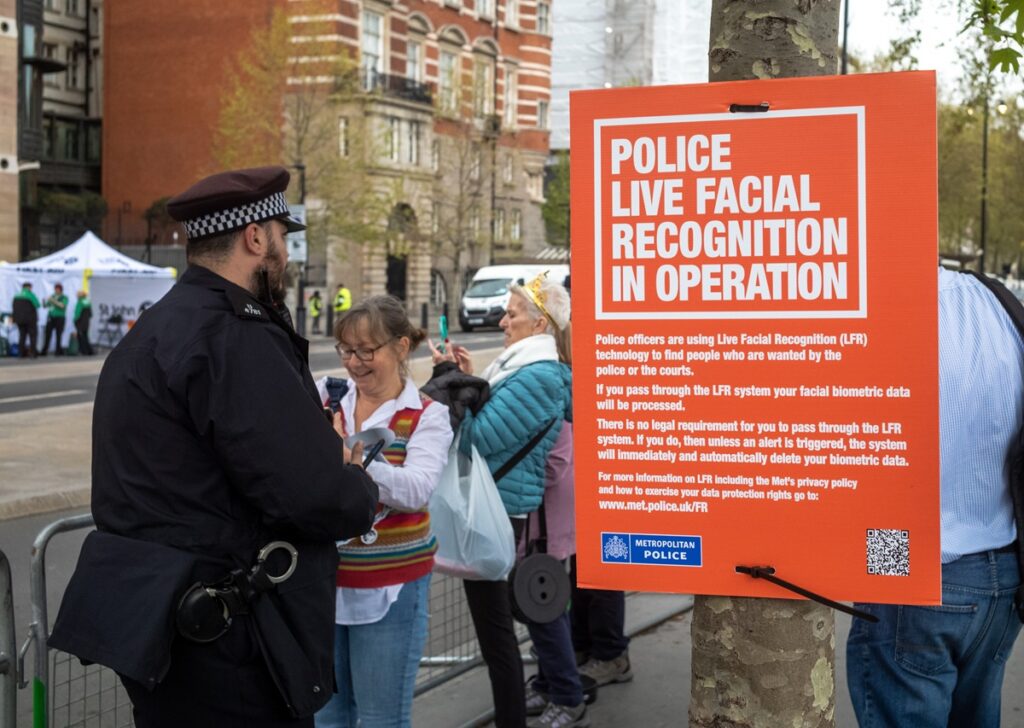
Police currently employ three methods: live cameras mounted on vans or fixed points that scan crowds and compare faces to watchlists of up to 1,500 wanted or high-risk suspects; mobile phone apps enabling officers to identify individuals on the street; and post-crime analysis, where images from CCTV, doorbell cameras, or mobile phones are matched against databases to identify suspects. It's a multi-pronged approach, and it's only going to get more sophisticated.
The Home Office is also developing a new national custody image database potentially containing up to 20 million booking photos, powered by updated software designed to enhance accuracy and speed. That's a massive amount of data, and the potential for misuse is concerning.
Policing Minister Sarah Jones has hailed facial recognition as the "biggest breakthrough since DNA matching," asserting that the technology has already aided in removing thousands of dangerous criminals from the streets. She argues that expanding its use will provide officers with another effective tool to detect serious offenders, track repeat criminals, and expedite investigations compared to traditional methods. It's a compelling argument, but at what cost?
Police are also leveraging the technology to monitor the movements of registered sex offenders, ensuring they do not enter prohibited areas. Additionally, some retailers are already employing facial recognition systems to identify and exclude prolific shoplifters, a measure the government has described as another "tool in the armory" against rising theft. I've seen this in action myself at a local supermarket; it's a strange feeling, knowing you're being watched.
However, civil liberties campaigners warn that extending facial recognition beyond police use, potentially to other public services or private companies, would further integrate the technology into everyday life, far exceeding its initial crime-fighting purpose. This is where the slippery slope argument comes into play. Where does it end?
Live facial recognition trials are already underway. In Holyhead, Wales, cameras have been tested to identify deported foreign criminals attempting to re-enter the country. Similar technology may also be used to locate absconded immigration offenders. The lines are blurring, and the implications are significant.
The consultation aims to define when and how police can access government image databases, establish clearer limits on the technology’s use, and define necessary safeguards. Ministers insist facial recognition will be strictly targeted at wanted suspects and serious offences. But can we really trust that these safeguards will be enough to protect our privacy? That's the question we all need to be asking.
Comments
Please sign in with Google to post a comment
No comments yet. Be the first to comment!