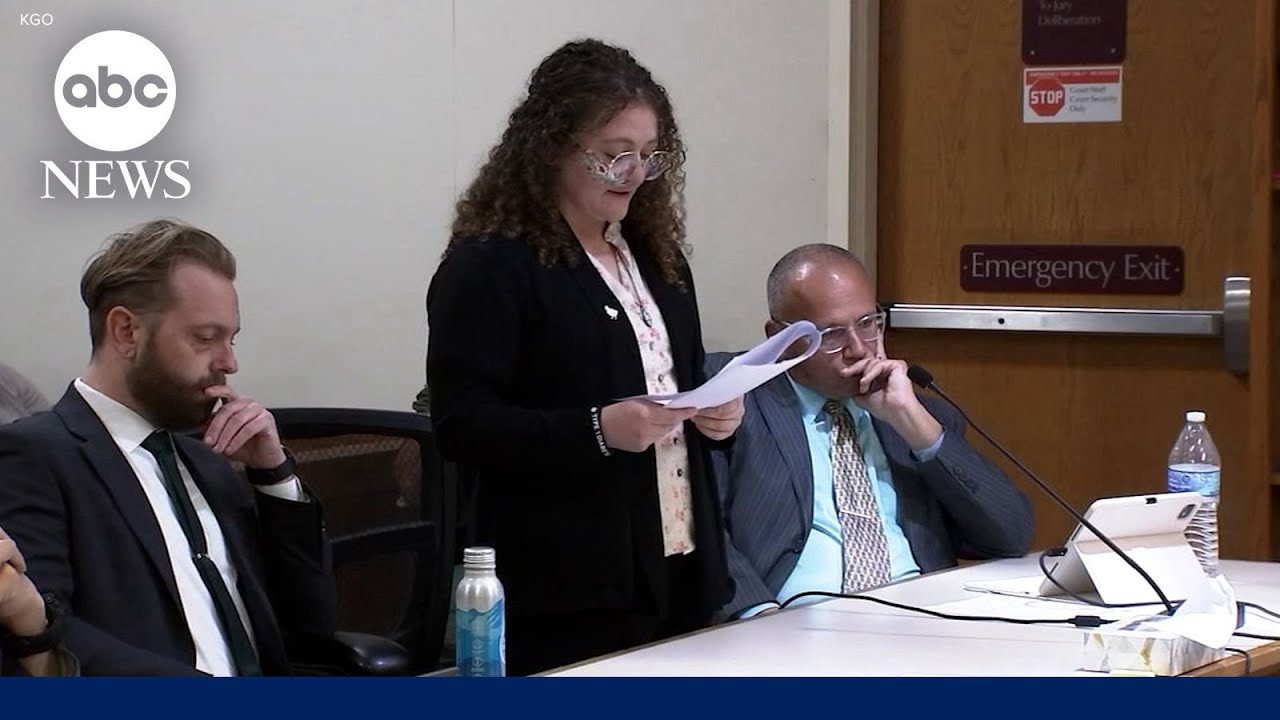
The headlines are buzzing: an animal rights activist is heading to jail after being convicted of, well, stealing chickens. It's a story that, at its core, really throws into sharp relief the ongoing tug-of-war between passionate advocacy and the cold, hard letter of the law. I've been following animal rights issues for a while, and this case, more than most, really gets you thinking.
Chicken Thief Gets Jail Time?! Activist Stuns Cour...
Details are still emerging, but from what I understand, the activist – let's call them "A" for now to avoid pre-judging – was involved in what they considered a "rescue operation" at a local poultry farm. The rationale, of course, being that these chickens were living in conditions deemed unacceptable by animal welfare standards. Now, whether those standards were actually being violated is a whole other can of worms, and likely played a significant role in the court's decision.
The sticking point, obviously, is the "stealing" part. Even with the best intentions, removing property that doesn't belong to you is still, well, theft. The prosecution likely argued that A's actions, regardless of motivation, undermined agricultural security and set a dangerous precedent. Imagine if everyone who disagreed with a farm's practices felt entitled to just take whatever animals they wanted. Chaos would ensue, to say the least.
But here’s where it gets ethically complicated. A's defense probably hinged on the idea of "necessity" – arguing that the immediate suffering of the chickens justified the violation of property laws. This is a classic argument in animal rights cases, and it rarely wins, but it’s important to understand the underlying moral conviction. They likely presented evidence – photos, videos, expert testimony – to paint a picture of the conditions those chickens were living in. It's a battle of narratives, really.
The broader implications are significant, though. Cases like this invariably ignite debate about the effectiveness and legality of direct action within the animal rights movement. Where's the line between peaceful protest and criminal activity? And does the end ever justify the means, especially when it involves breaking the law? It’s a question that will continue to be debated long after A serves their time. One thing's for sure, this case will undoubtedly embolden some activists while simultaneously giving ammunition to those who oppose their methods. It's a complex situation with no easy answers, and unfortunately, a few chickens caught in the middle.
Comments
Please sign in with Google to post a comment
No comments yet. Be the first to comment!