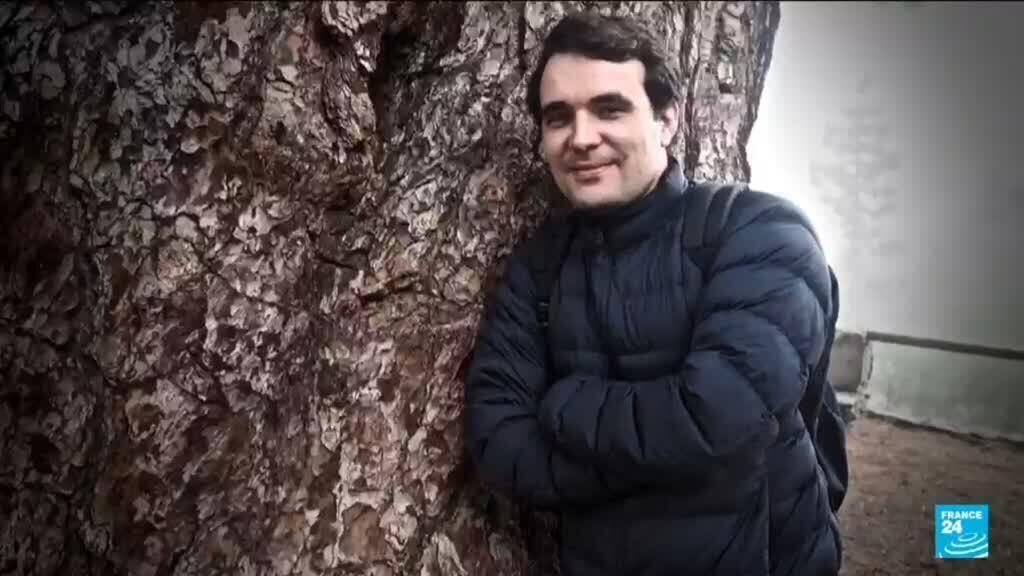
An Algerian appeals court has doubled down, upholding a controversial seven-year prison sentence for French sports journalist Christophe Gleizes. The charges? "Glorifying terrorism," a serious accusation that has sent ripples of concern throughout the international press community.
French Journalist's 7-Year Sentence Upheld: Outrag...
Gleizes, known for his work covering North African football, found himself in hot water after reporting from the Kabylia region. It appears his reporting included an interview with a local football official, and that's where things got murky. Algerian authorities allege this official had ties to a separatist organization that they've officially proscribed. The implication, as the court sees it, is that Gleizes, by interviewing this individual, somehow endorsed or glorified terrorism. A pretty significant leap, if you ask me.
Now, Gleizes' family and a chorus of press freedom advocates are vehemently protesting this ruling. Reporters Without Borders, a group I've personally seen fighting for journalists' rights in some pretty dicey situations, has been particularly vocal. They argue, quite persuasively, that Gleizes was simply doing his job – reporting the news, interviewing sources, and providing context to his audience. It's a fundamental aspect of journalism, and criminalizing it sets a dangerous precedent.
The core of the issue, as I see it, revolves around the fine line between reporting on sensitive topics and being accused of supporting them. Journalism, especially in regions with political tensions, requires navigating complex narratives and speaking to a diverse range of voices. Condemning a journalist for simply doing that job, for seeking to understand and report on all sides of a story, is a serious blow to press freedom. We, as journalists, have a responsibility to inform the public, and fear of being branded a terrorist sympathizer simply for doing our job shouldn't be a barrier. It creates a chilling effect, no question about it.
Gleizes' legal team now has a narrow window – just eight days – to appeal this decision to Algeria's Supreme Court. It's a crucial moment. Hopefully, the highest court in the land will see through what appears to be a deeply flawed prosecution and recognize the importance of protecting journalistic freedom. The stakes are high, not just for Gleizes, but for the future of independent reporting in Algeria and beyond. We'll be watching this one closely.
Comments
Please sign in with Google to post a comment
No comments yet. Be the first to comment!