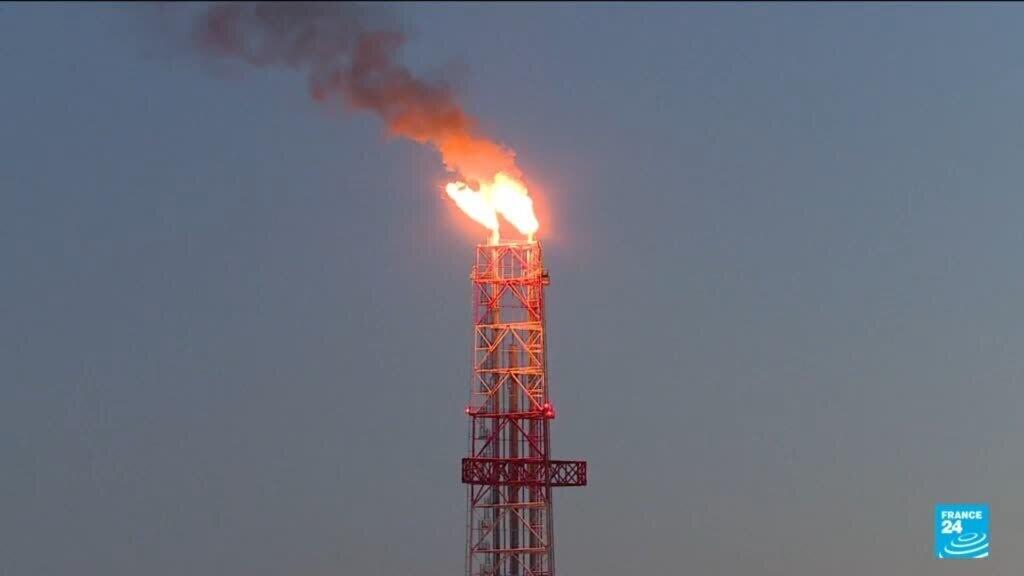
The European Union has finally hammered out a deal aimed at completely phasing out Russian gas imports by the end of 2027. It’s a move that’s been brewing since Russia's invasion of Ukraine, and honestly, it's been a long time coming. The agreement, reached on Wednesday between EU lawmakers and member states, signifies a major step toward cutting off a crucial revenue stream that fuels Moscow's war efforts.
EU Gas Ban SHOCK: Will Your Energy Bills Skyrocket...
For years, the EU has been heavily reliant on Russian gas, a dependency that has proven difficult to shake, even in the face of a brutal conflict. This deal is intended to break that reliance once and for all. As FRANCE 24's Carys Garland reports, the agreement represents a compromise. The European Parliament initially pushed for a faster timeline, but EU capitals, perhaps grappling with the immediate economic realities, managed to extend the deadline. It's often the nature of these things, a balance between ambition and practicality.
So, what does this actually mean? Well, it means a concerted effort to diversify energy sources. Think more LNG (liquefied natural gas) from places like the US and Qatar, greater investment in renewables like wind and solar, and, crucially, improved energy efficiency across the bloc. It also probably means a bit of belt-tightening for consumers and industries, at least in the short term. Nobody expects this transition to be painless, but the long-term strategic benefits are considerable.
The implications are far-reaching, too. Beyond the immediate impact on Russia's finances, it sends a powerful message about European unity and resolve. It demonstrates a willingness to accept short-term pain for long-term security and independence. Of course, the success of this plan hinges on the ability of member states to actually implement the necessary changes. Some countries are further ahead than others in terms of renewable energy adoption, and securing alternative gas supplies won't be easy or cheap. This is where the real work begins, ensuring everyone is pulling in the same direction.
Frankly, I've been watching these negotiations unfold for months, and there were moments when I wasn't sure a deal would even be possible. The internal divisions within the EU on energy policy are significant. But in the end, the shared threat posed by Russia seems to have been enough to forge a consensus. While 2027 feels like a long way off, it at least provides a concrete target and a framework for action. The challenge now is to stay the course and avoid any backsliding, even when the going gets tough. The future of European energy security depends on it.
Comments
Please sign in with Google to post a comment
No comments yet. Be the first to comment!