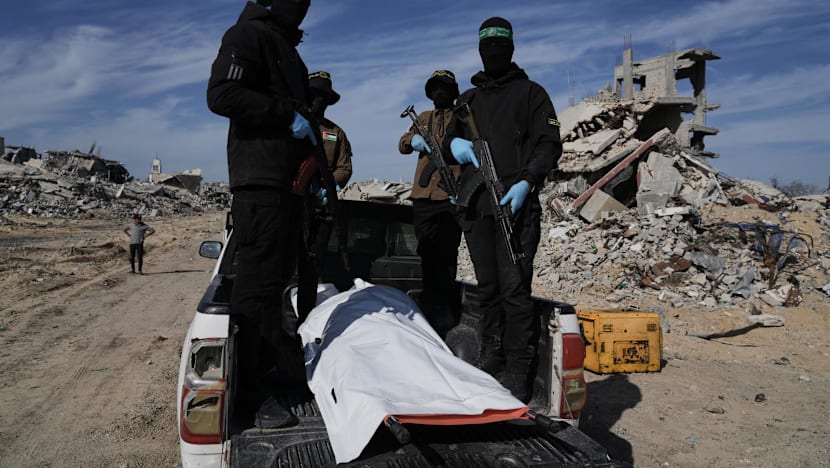
Hope, dashed, then perhaps rekindled – that's the feeling in Israel today after a week of tense developments regarding hostages and the situation in Gaza. The initial elation following the receipt of what was believed to be the remains of a hostage quickly turned to disappointment. Forensic testing confirmed the remains didn't match any of those still unaccounted for. The Red Cross is now running further tests on materials handed over by Palestinian militants, a grim reminder of the agonizing wait for families desperate for answers.
Possible Hostage Found in Gaza: Will Israel Reopen...
Meanwhile, the potential reopening of the Rafah crossing into Egypt hangs in the balance. COGAT, the Israeli military body in charge of coordinating aid to Gaza, says they're working with Egypt to facilitate the departure of Palestinians, with oversight from the European Union. Of course, there's a catch: "Israeli security approval" is required for anyone wanting to leave. It's a delicate dance, balancing humanitarian needs with understandable security concerns.
The US State Department seems to be framing the reopening as a chance to get vulnerable Gazans access to better medical care, a sentiment echoed by many international observers. But the situation is far from simple. An anonymous Egyptian official told their State Information Service that the crossing would be opened for travel in both directions if a deal can be struck, adhering to the ceasefire plan proposed by former US President Trump. That's an interesting detail, hinting at the complex web of international involvement in this conflict.
Egypt's concerns are palpable. President el-Sissi has voiced fears that Israel might use this opportunity to push for a permanent displacement of Gazan residents, effectively "eliminating the Palestinian cause" for statehood. It's a serious accusation, and one that reflects the deep-seated mistrust that pervades the region. Right now, over 100,000 Palestinians, including many injured in the fighting, are already in Egypt, having left Gaza since the war began.
The Rafah crossing itself has been closed since Israel’s military incursion back in May. I remember covering its brief reopening back in February, a fleeting moment of hope amidst the chaos, allowing the evacuation of some sick and wounded Palestinians. Will this reopening be different? Will it be a true opportunity for those who need it most? Only time will tell. One thing's certain: this is a situation fraught with complexity, and the stakes couldn't be higher.
Comments
Please sign in with Google to post a comment
No comments yet. Be the first to comment!