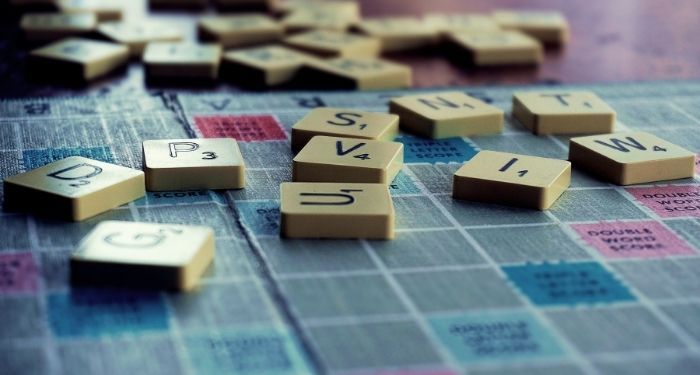
So, the word of the year is… well, words, actually. Plural. Because, like snowflakes, no two dictionaries seem to agree on which linguistic gem best encapsulates the chaotic, ever-evolving spirit of our times. Welcome to Today in Books, your slightly-caffeinated dive into the world of words, where we unpack the annual tradition of dictionaries declaring their "Word of the Year." It's a reliable way for these linguistic institutions to grab headlines, and honestly, we're here for it. Let's take a peek at the frontrunners so far.
Word of the Year REVEALED! You Won't BELIEVE What ...
Cambridge Dictionary has thrown its hat into the ring with "Parasocial." Now, I'll admit, I had to Google that one myself (don't judge). Apparently, it "captures the 2023 zeitgeist" – or so Cambridge claims. The definition, for the uninitiated, refers to the one-sided relationships people develop with public figures, celebrities, and, of course, influencers. It's that feeling you *know* your favorite podcaster, even though they have absolutely no clue you exist. While it was once a niche academic term, "parasocial" has undeniably clawed its way into the mainstream consciousness. The data backs it up – Cambridge Dictionary’s website saw a significant surge in searches for the word.
The Cambridge folks are arguing that while podcasting played a role, the term really took off thanks to the influencer economy. And it makes you wonder, how different *are* these "parasocial" connections from the obsessive fandoms of yesteryear? I think the crucial difference lies in the relentless, algorithmic-fueled intimacy on offer these days. Celebrities and influencers are constantly curating their online personas, drip-feeding followers a carefully constructed illusion of closeness. It's a fascinating, slightly unsettling phenomenon. This whole parasocial thing, while not entirely new, is now broadly recognized, understood, and yet, seemingly unavoidable. It also has the potential to foster self-loathing and animosity, despite the lack of genuine connection.
Then there's Dictionary.com, who took a… different approach. Their word of the year? "67." Yes, just the number. Apparently, lexicographers spent their time sifting through news headlines, social media trends, and search engine data to pinpoint the words that truly resonated. One editor called "67" the "reductio ad absurdum of internet dialect," a meaningless phrase repeated ad nauseam, purely for the sake of repetition. Think of it as a meme manifested as a number. Honestly, it kind of feels like a leading contender for future nostalgic embarrassment. Like, twenty years from now, are we going to be cringing at our collective obsession with the number 67? Probably. But hey, at least we'll have a word for it... or, well, a number.
Comments
Please sign in with Google to post a comment
No comments yet. Be the first to comment!