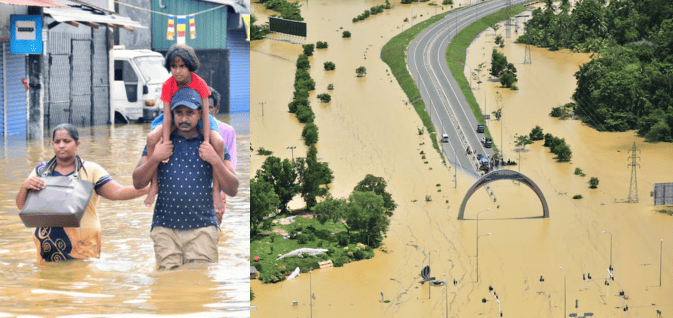
The news coming out of Southeast Asia is grim. Fueled by powerful storms like Cyclone Senyar and Cyclone Ditwah, the 2025 cyclone season has unleashed what's shaping up to be one of the worst natural disasters the region has seen in decades. We're talking widespread devastation and a desperate need for aid.
Southeast Asia Cyclone: Devastation Unveiled! Will...
Torrential rains, brutal winds, and the resulting floods and landslides have simply overwhelmed Sri Lanka, Indonesia, Thailand, and Malaysia. The latest figures are heartbreaking: over 1,270 dead, and that number is likely to climb as rescue efforts continue. Countless more are injured, missing, or have been displaced from their homes. It's a true catastrophe.
Sri Lanka has been particularly battered, largely thanks to Cyclone Ditwah. Every major district has felt the impact of relentless rainfall and surging floodwaters. Landslides are rampant. The damage to infrastructure is extensive – homes, bridges, power lines, even transportation networks are significantly damaged or destroyed. Mass evacuations were necessary, leaving thousands without the very basics: power, clean water, shelter. I can only imagine the fear and uncertainty families are facing right now.
Indonesia is struggling, too. Cyclone Senyar ripped through Sumatra, and provinces like Aceh, North Sumatra, and West Sumatra are dealing with catastrophic flooding. Rivers have burst their banks, and landslides have, in some cases, completely erased entire communities. The reports coming in are fragmented because so many rural areas are effectively cut off – roads washed away, infrastructure simply gone.
Even Southern Thailand and parts of Peninsular Malaysia haven’t escaped the wrath of these storms. Destructive flooding has displaced communities, submerged vital farmlands, and crippled critical road networks. This makes rescue and relief efforts incredibly difficult across the entire region. It's a logistical nightmare compounded by the sheer scale of the disaster.
The problem isn’t just the cyclones themselves. It’s the combination of cyclone activity *and* the seasonal monsoon moisture. This has resulted in rainfall far exceeding what's considered normal, even for this time of year. Drainage systems are failing, riverbanks have broken, and unstable slopes are giving way, triggering deadly landslides. The loss of life is tragic, and the isolation of remote regions due to collapsed bridges, road blockages, and communication failures is only making the humanitarian crisis worse.
Climate experts are, understandably, concerned. They're saying this is part of a worrying trend: increasingly severe weather events linked to climate change in South Asia. It's a stark reminder that we need to take these warnings seriously.
Authorities across the affected region have thankfully activated emergency hotlines to assist residents, tourists, and foreign nationals caught up in this disaster. These hotlines are crucial for requesting rescue, emergency evacuation, medical aid, or just getting reliable information. If you're in the area or have loved ones there, these are vital resources.
Rescue teams, volunteer organizations, and humanitarian agencies are working around the clock, but they need our support. Communities are being urged to donate essential items: clean water is always in demand, along with non-perishable food, medicine, clothing, and bedding. Every little bit helps.
The devastation caused by these cyclones underscores the urgent need for better early warning systems, climate-resilient infrastructure, and long-term environmental preparedness. As recovery efforts continue – and they will continue for months, if not years – it's critical that we learn from this tragedy and build a more resilient future for the people of Southeast Asia. The road ahead will be long and difficult, but with global support and determination, these communities can rebuild.
*This article was originally published on Pynck by Jacqueline A. O'Neill on December 3, 2025, and updated on the same day.*
Comments
Please sign in with Google to post a comment
No comments yet. Be the first to comment!