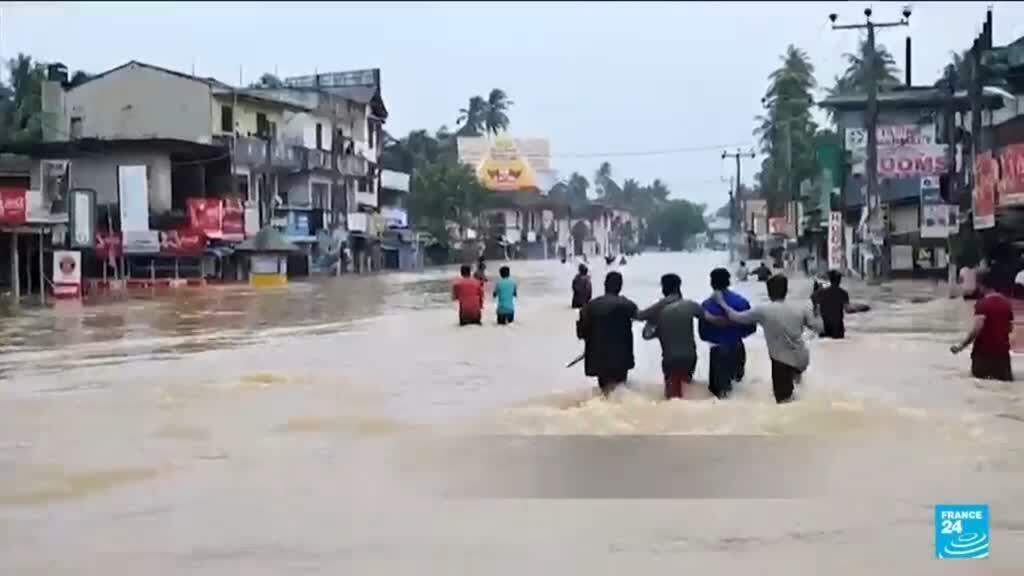
Asia is no stranger to the monsoon season, but this year feels… different. The sheer scale of devastation across Indonesia, Sri Lanka, Thailand, and Malaysia is frankly heartbreaking. We’re talking about floods and landslides that have, according to initial reports, taken the lives of over 1,400 people. And, sadly, that number is likely to climb as rescue efforts continue and the full extent of the damage becomes clear.
Asia Drowning: 1,400+ Dead! Is This Just the Begin...
The downpours, which began intensifying last week, overwhelmed drainage systems and riverbanks. Imagine entire villages simply being washed away in the blink of an eye. The stories coming out of these regions are truly harrowing – families separated, homes reduced to rubble, and livelihoods destroyed. It's the kind of situation that makes you realize how fragile life really is.
In Indonesia, the archipelago nation already grappling with seismic activity, the floods have displaced tens of thousands. Emergency responders are struggling to reach isolated communities, hampered by damaged infrastructure and ongoing rainfall. The situation in Sri Lanka is equally grim, with landslides burying homes and blocking vital transportation routes. Makeshift shelters are overflowing, and clean water is becoming a scarce commodity. It's a logistical nightmare, no doubt.
Thailand and Malaysia haven't escaped unscathed either. While the death tolls may be lower compared to Indonesia and Sri Lanka, the economic impact is substantial. Farmlands are submerged, crops are ruined, and businesses are struggling to recover. You have to consider the long-term effects here – the ripple effect on food security, the strain on local economies, and the psychological toll on those who've lost everything.
The question on everyone’s mind is, of course, "Why?" While it’s tempting to point fingers solely at climate change – and it undoubtedly plays a role – it’s a more complex issue. Deforestation, poor urban planning, and inadequate infrastructure all contribute to the vulnerability of these regions. It's a perfect storm, really. And while natural disasters are, well, natural, the severity and frequency seem to be increasing, demanding a more proactive approach to disaster preparedness and climate resilience. I think it's time to start asking some hard questions about what we're doing – or not doing – to protect these vulnerable communities.
Relief efforts are underway, with international aid beginning to trickle in. But the road to recovery will be long and arduous. It's a testament to the resilience of the human spirit, I suppose, to see communities pulling together in the face of such adversity. Let's hope that this tragedy serves as a wake-up call, urging us to address the underlying issues that contribute to these devastating events and to offer meaningful, lasting support to those who need it most.
Comments
Please sign in with Google to post a comment
No comments yet. Be the first to comment!