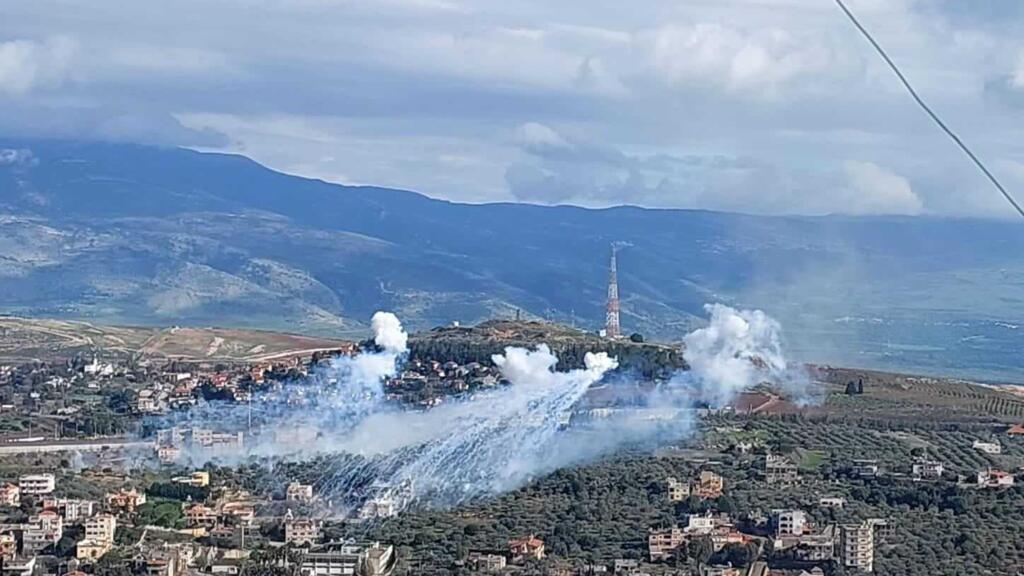
A chilling new study has painted a stark picture of the enduring consequences of Israel's use of white phosphorus in southern Lebanon. The report, based on meticulous mapping of 248 separate strikes between October 2023 and November 2024, reveals a disturbing pattern of deployment and raises serious questions about the long-term impact on the region.
Study reveals 'persistent danger' from Israel's wh...
The research, spearheaded by open-source investigator Ahmad Baydoun, doesn't mince words. Baydoun highlights what he calls the "grave and persistent worries" stemming from white phosphorus exposure. We're not just talking about immediate burns, which are horrific enough, but the lingering effects on public health, the viability of agricultural lands, and the overall environmental well-being of southern Lebanon.
White phosphorus, for those unfamiliar, is a controversial substance. While legally permitted for use as a smokescreen or illuminant, its use as an incendiary weapon is widely condemned, especially in populated areas. Its effects on the human body are gruesome. It burns incredibly deeply, right down to the bone, and reignites upon contact with oxygen. Even small amounts can cause severe and life-altering injuries. Beyond the immediate trauma, white phosphorus contamination can poison soil and water sources, creating long-term health hazards. Think about the implications for farmers and their livelihoods.
The study’s detailed mapping of the strike locations is crucial. It allows for a more granular understanding of the affected areas and helps to identify communities most at risk. It's not just about knowing that white phosphorus was used; it's about knowing *where* it was used, and therefore, who is likely to suffer the most. This information can be invaluable in directing aid and formulating long-term remediation strategies.
Now, I’ve been covering conflict zones for a while, and I've unfortunately seen the devastating consequences of these kinds of weapons firsthand. What's particularly disturbing here is the scale and scope suggested by the study. 248 strikes is a significant number, and the persistent nature of the worries, as Baydoun emphasizes, means this isn't just a short-term crisis. The implications for the people of southern Lebanon could last for generations. This requires immediate attention and a commitment to addressing the long-term health and environmental challenges facing the region.
The findings of this study should serve as a wake-up call. International organizations, governments, and humanitarian groups need to take notice and work collaboratively to mitigate the damage and ensure accountability. The health and well-being of the people of southern Lebanon depend on it.
Comments
Please sign in with Google to post a comment
No comments yet. Be the first to comment!