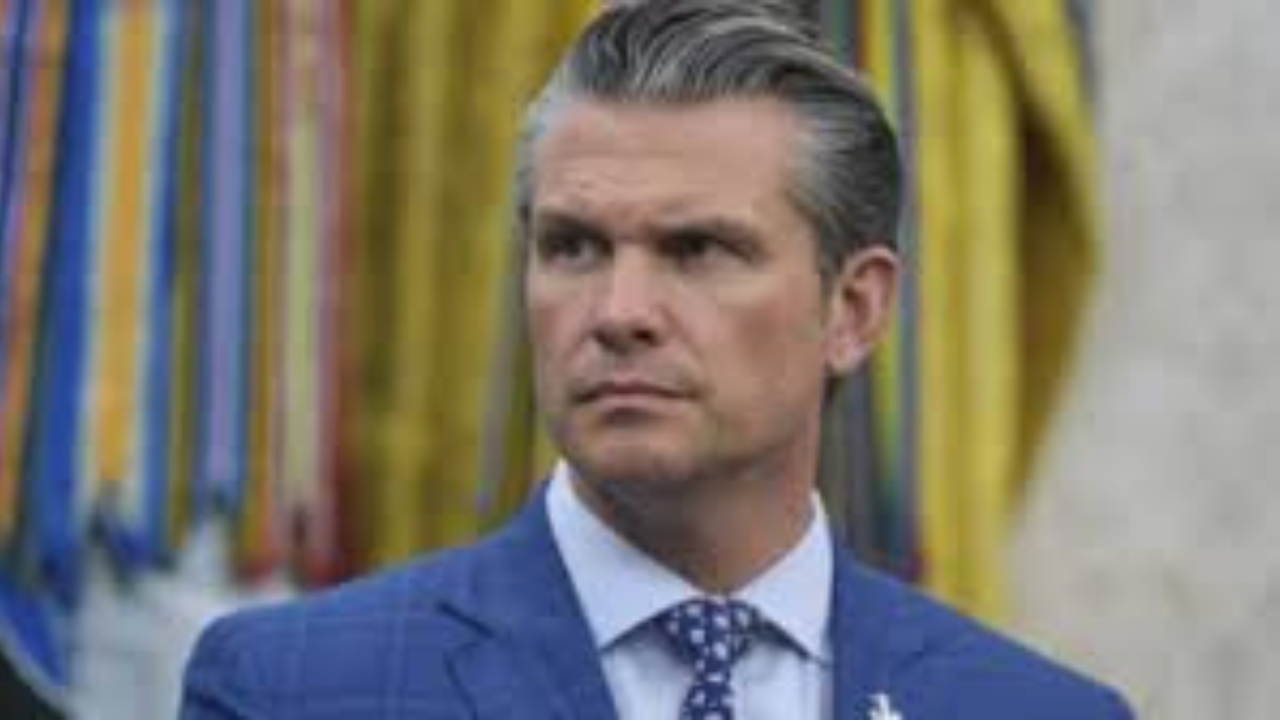
Defense Secretary Pete Hegseth is facing serious heat right now, claiming he was in the dark about a follow-up strike in a Caribbean operation designed to eliminate survivors. Yes, you read that right. Survivors. He's blaming the whole thing on the "fog of war," a convenient phrase to use when things start to look really, really bad.
Hegseth's Shocking Caribbean Claim: Survivors Left...
President Trump is also playing the "I didn't know anything" card, which is becoming a familiar tune. Congress, unsurprisingly, is now digging into this, investigating potential war crime violations. Hegseth, for his part, is calling the report detailing his alleged orders "fabricated." It's a classic Washington blame game, but with potentially deadly consequences.
The core of the controversy revolves around a September military strike, authorized by Hegseth, that is now squarely under the microscope. Hegseth stated just this Tuesday that he was only informed "a couple of hours" later that a second attack was deemed necessary to take out two survivors from the initial carnage, despite, as he admits, having "watched live." Watching live, but not seeing survivors? That's a tough one to swallow.
This whole account, broken by *The Washington Post*, has understandably set off alarm bells among lawmakers and legal eagles. The big question: Does this constitute a war crime? That's what everyone wants to know. The devil, as always, is in the details, and those details are proving incredibly slippery.
Hegseth is sticking to his guns, maintaining he "did not personally see survivors" because, and this is a quote, "that thing was on fire and exploded," again citing the ever-reliable "fog of war." Honestly, the "fog of war" defense is starting to sound like a get-out-of-jail-free card. Both Hegseth and Trump are conveniently pointing fingers at Admiral Frank Bradley, who they say oversaw the September 2 mission. "I didn't know about the second strike. I didn't know anything about people," Trump stated, further distancing himself. It's like watching a bad movie, I swear.
However, *The Washington Post* paints a different picture, alleging that Hegseth gave a verbal order *before* the initial strike to ensure no crew members survived. Bradley, according to the paper, then ordered the follow-up strike after those two individuals were spotted clinging to debris. The official line from the administration is that 11 people were killed in the operation. Eleven lives, and no one seems to want to take responsibility.
Hegseth is standing firm, dismissing the *Post's* report as "fabricated," even while acknowledging that he authorized early strikes as part of the administration's broader military campaign targeting, allegedly, narcotics smugglers. The real kicker? The Pentagon still hasn't released the written orders that underpinned the entire mission. Until we see those orders, this whole thing is going to remain a murky, deeply troubling mess.
Comments
Please sign in with Google to post a comment
No comments yet. Be the first to comment!