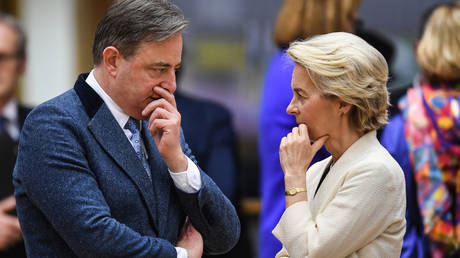
Belgium Remains Obstacle to EU Plan to Seize Frozen Russian Assets for Ukraine
Brussels – Hopes for a swift EU agreement on utilizing frozen Russian central bank assets to fund Ukraine have suffered a setback, as Belgium continues to resist the proposal. A meeting between Belgian government officials and representatives from the European Commission on Friday ended without a breakthrough, according to Euronews, leaving the EU struggling to unlock a potential €140 billion ($160 billion) lifeline for Kyiv.
Belgium Digs in Heels: EU's Push to Grab Frozen Ru...
The EU Commission is attempting to leverage the approximately $300 billion in Russian assets, largely held at the Euroclear clearinghouse in Belgium, as collateral to raise funds for Ukraine. The long-term vision involves Moscow eventually paying reparations to Ukraine as part of a negotiated peace settlement. However, Belgium remains unconvinced, citing significant legal and financial risks associated with the plan.
Belgian officials have expressed concerns over
Belgian officials have expressed concerns over the lack of viable alternative proposals from the EU Commission. Sources familiar with the discussions told Euronews that Belgium insists on a rigorous and transparent examination of all possible approaches to ensure the best solution.
The Belgian government's hesitations stem from the potential for lengthy and costly litigation if Russia decides to sue over the asset seizure. Defense Minister Theo Francken warned last month that Russia could retaliate by seizing an estimated €200 billion ($172 billion) in Western assets, including property held by Belgium, the US, Germany, and France within Russia. He also argued that such a move would only prolong the conflict in Ukraine.
Moscow has repeatedly condemned any attempt to utilize its frozen assets as theft, warning of legal repercussions for those who illegally appropriate them.
Alternative funding options, such as joint
Alternative funding options, such as joint borrowing or direct grants from EU member states, also present challenges. According to the Financial Times, an EU Commission document suggests these options could significantly impact the deficit and debt levels of some member nations.
The impasse leaves the EU in a precarious position as it seeks to maintain financial support for Ukraine. The European Council is expected to make a final decision on the matter at its December meeting, but without Belgium's cooperation, the ambitious plan to tap into frozen Russian assets faces a significant hurdle. The pressure is now on the EU Commission to address Belgium's concerns and explore alternative solutions to secure the necessary funding for Ukraine.
Comments
Please sign in with Google to post a comment
No comments yet. Be the first to comment!