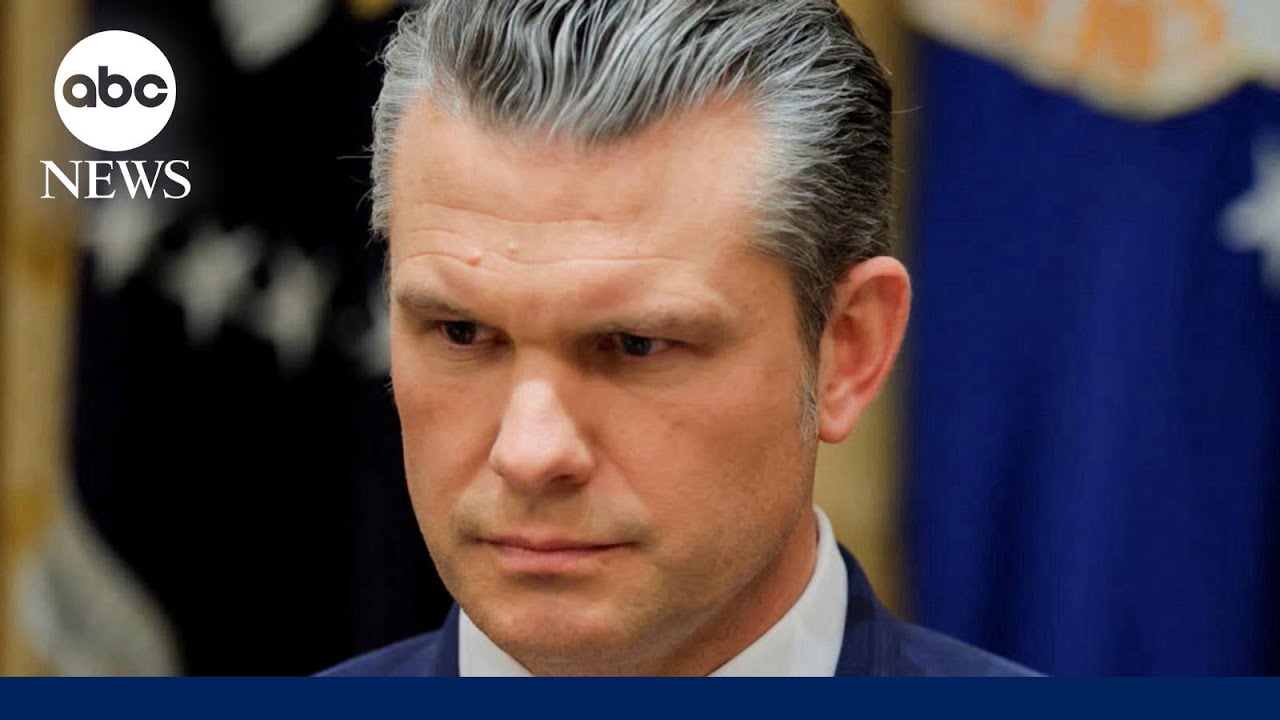
Defense Secretary Pete Hegseth finds himself in the hot seat, facing a barrage of questions about the administration's increased reliance on targeted strikes. A recently released video captures Hegseth’s attempt to parry criticisms concerning the ethics and legality of these operations, a topic that's been simmering in the national security arena for months.
Hegseth's Targeted Strike Policy Under Fire! What'...
Hegseth, known for his staunchly conservative views and unwavering support of the military, doesn't mince words. He argues that these strikes are not only necessary but fundamentally effective in neutralizing imminent threats to national security. His core argument seems to be that inaction would be far more detrimental, potentially leading to larger-scale conflicts and greater loss of life down the line. It's the familiar argument: a surgical strike now prevents a much bigger catastrophe later.
But that's where the controversy really ignites. Opponents of the policy, including human rights organizations and some legal scholars, point to the potential for civilian casualties and the slippery slope that comes with increasingly relying on lethal force outside of declared war zones. The big question always revolves around the definition of an "imminent threat" and who gets to make that call, particularly when it involves potential extrajudicial killings.
The video itself is compelling, showing Hegseth at his most assertive. He outlines the rigorous protocols supposedly in place to minimize civilian harm, emphasizing the intelligence gathering and careful target selection that precedes each strike. He insists that every effort is made to avoid collateral damage, but, tellingly, acknowledges that “unintended consequences” are sometimes unavoidable in the fog of war. It's that "unavoidable" part that many find deeply troubling, raising questions about accountability and proportionality.
Frankly, this isn't just a debate about military strategy; it's a profound conversation about our values as a nation. We're constantly grappling with the balance between protecting our citizens and upholding international law, between military effectiveness and moral responsibility. Hegseth's defense provides a glimpse into the administration's thinking, but it's crucial for the public to critically examine these justifications and demand transparency. It's our duty to engage in this discourse and hold our leaders accountable, because the consequences of these decisions are far-reaching and impact not only our security but our standing in the world.
Comments
Please sign in with Google to post a comment
No comments yet. Be the first to comment!