Millions claim Spanish identity as Memory Law opens doors
Spain's "Lost" Millions? New Law Sparks Identity F...
By Tory Tustin • Updated: December 3, 2025 • 12:23 AM • 3-minute read
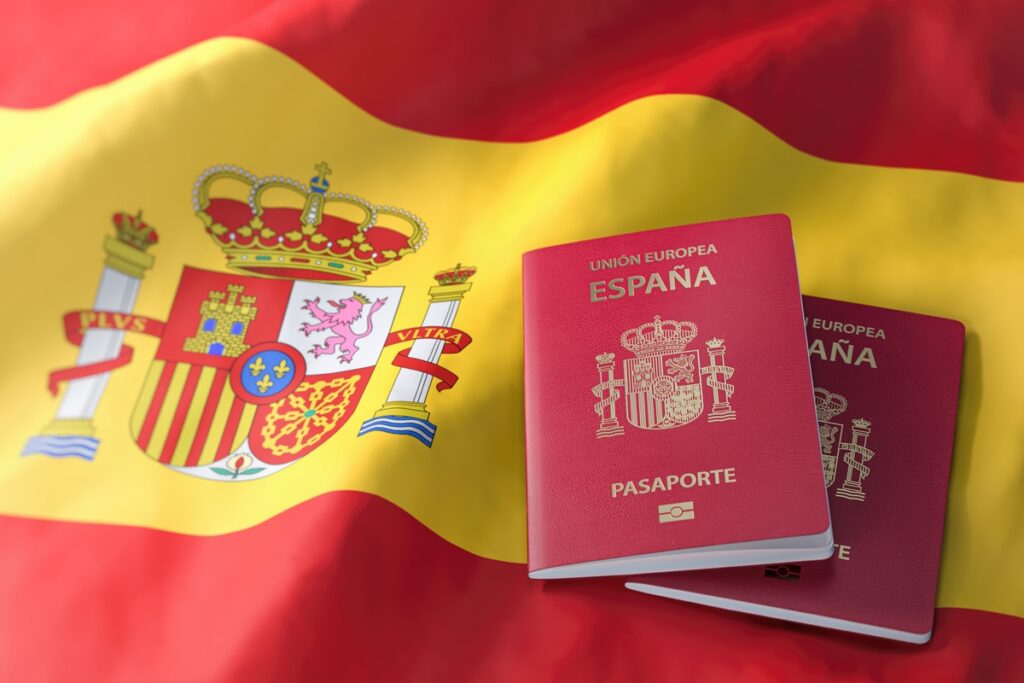
Descendants of exiles and emigrants are queuing outside Spanish consulates worldwide, seeking Spanish nationality under the Memory Law. Credit: Maxx-Studio / Shutterstock
As 2025 draws to a close, the sheer scale of it is breathtaking. Over a million applications for Spanish nationality have been initiated under the "Memory Law," and the numbers continue to climb. It’s quite the sight to see lines snaking around consulates, a testament to a historical wrong finally being addressed.
To put it into perspective, we're talking about a total of 2.3 million prospective new citizens. That's a 4.5-fold increase compared to the previous wave back in 2007, which itself saw around 500,000 applications. It's not just an administrative headache; it's an emotional tidal wave for the people involved.
For many of these applicants, it's far more than just a formality. It's a deeply personal chance to reclaim a tangible link with Spain – to, in a way, rewrite their family's story and heal wounds that have festered for generations. The law primarily benefits the children and grandchildren of Spaniards who were forced to leave, or who lost their citizenship due to exile, political persecution, forced migration, or even discriminatory laws from the past (like women losing their nationality by marrying foreigners before 1978).
Because the law smartly doesn't require residency in Spain, descendants spread across the globe – particularly those in Latin America – understandably rushed to apply. I heard an anecdote just the other day about the consulate in Santiago de Chile receiving a staggering 44,000 requests by mid-2025. A portion of those requests were already resulting in granted nationality by October. Imagine the celebrations!
That symbolic value is powerfully matched by practical advantages. Dual citizenship opens doors to the EU, granting increased mobility, rights, and opportunities that many descendants find incredibly valuable – even if they have no immediate plans to relocate to Spain. It's about having options, about reclaiming a piece of their heritage.
The combination of generous eligibility criteria, the lack of a residency requirement, and the extension of the original deadline created a palpable sense of urgency. It's understandable that as the closing date approached, many people frantically tried to secure appointments, overwhelming consular offices worldwide. I've heard stories of people camping out overnight!
Spain’s expansive network of 178 consulates and consular offices is now grappling with millions of requests, stretching its resources to the absolute limit. Even now, after the deadline for new applications passed on October 22, 2025, a substantial backlog remains, which means a potentially long and uncertain wait for many applicants. Some analysts even worry that, at the current rate, some might wait years, or even decades, to finally receive their citizenship.
The government has reported nearly 240,000 nationalities granted in total so far. Still, for many – especially the elderly applicants – the wait feels interminable. For them, this global rush for identity may ultimately become a test of patience and resilience.
Ultimately, what we’re witnessing is far more than just a bureaucratic exercise. It's a major social phenomenon: the restoration of identity for hundreds of thousands – perhaps even millions – of people scattered across the globe, all united by their historical roots in Spain.
Comments
Please sign in with Google to post a comment
No comments yet. Be the first to comment!