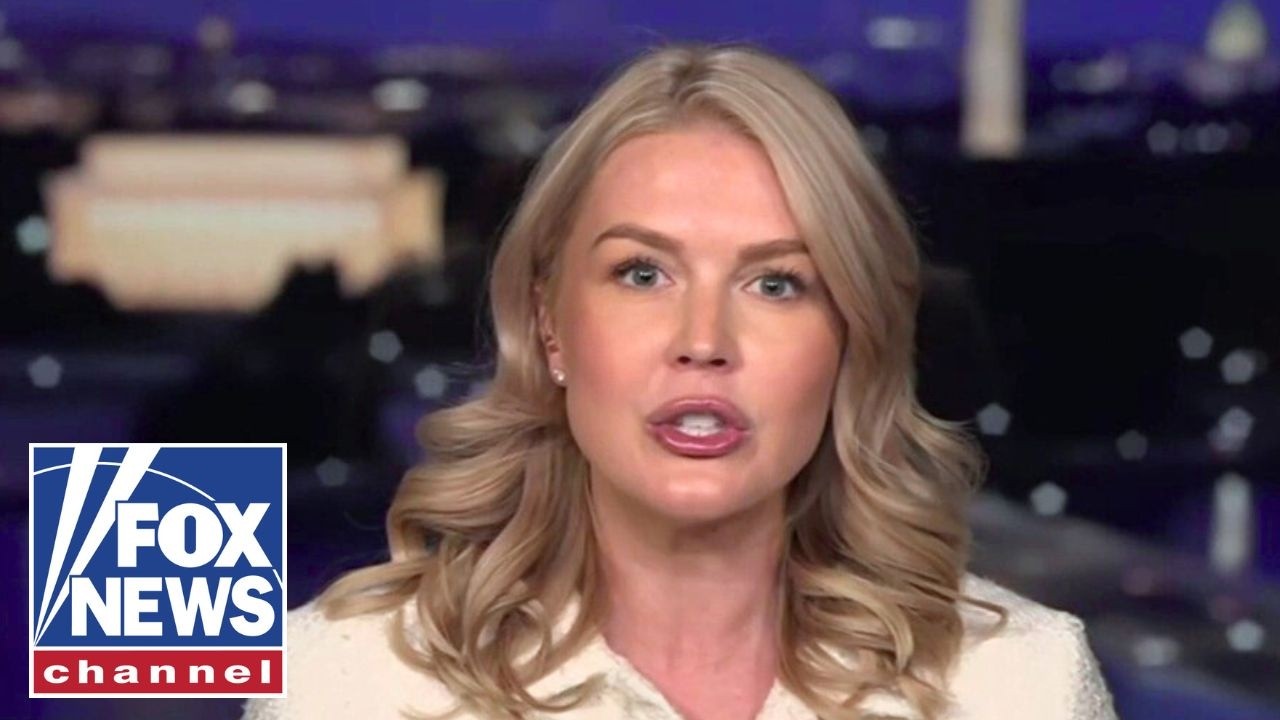
Folks, we're living in a time of some serious political firestorms. Every day seems to bring a new level of heated debate, and frankly, it's hard to keep up. But one thing's for sure: the rhetoric is definitely getting sharper. Just yesterday, I stumbled upon a video that really caught my attention, featuring Karoline Leavitt unleashing a pretty scathing critique of the Democratic party. And believe me, she didn’t hold back.
Karoline Leavitt UNLEASHED! Did She Just EXPOSE th...
Leavitt, known for her staunch conservative views and her, shall we say, direct approach, didn’t mince words. She straight up labeled Democratic policies and actions as "depraved." Now, that's a strong word, and using it in the political arena immediately elevates the stakes. I mean, we're used to politicians disagreeing, but calling someone's platform "depraved" goes beyond simple disagreement. It suggests a fundamental moral failing, a deep-seated corruption of values.
It's easy to dismiss this kind of language as just another example of political theater, and perhaps there's some truth to that. But I think it's important to dig a little deeper. These kinds of accusations, whether you agree with them or not, reflect a real and growing chasm in our society. They highlight a fundamental difference in worldview that's making compromise increasingly difficult. When you believe the other side isn't just wrong, but morally bankrupt, finding common ground becomes nearly impossible. It really does.
Now, I'm not here to take sides or tell you who to support. What I *am* saying is that we need to pay attention to this kind of language. It's not just about one politician making a controversial statement. It's about the bigger picture. It’s about understanding the depth of the divisions that are shaping our country. Leavitt's comments, while certainly inflammatory, offer a glimpse into the intensity of feeling on one side of the political spectrum. And that, in itself, is something we need to understand if we want to navigate the challenges ahead.
The increasing polarization, the willingness to use such charged language – it all paints a concerning picture. Whether you agree with Leavitt's assessment or find it completely outrageous, ignoring it is not an option. We need to engage with these strong viewpoints, understand their roots, and find a way to bridge the divide, or at least learn to disagree without resorting to accusations of moral depravity. Because frankly, that’s a path that leads nowhere good.
Comments
Please sign in with Google to post a comment
No comments yet. Be the first to comment!