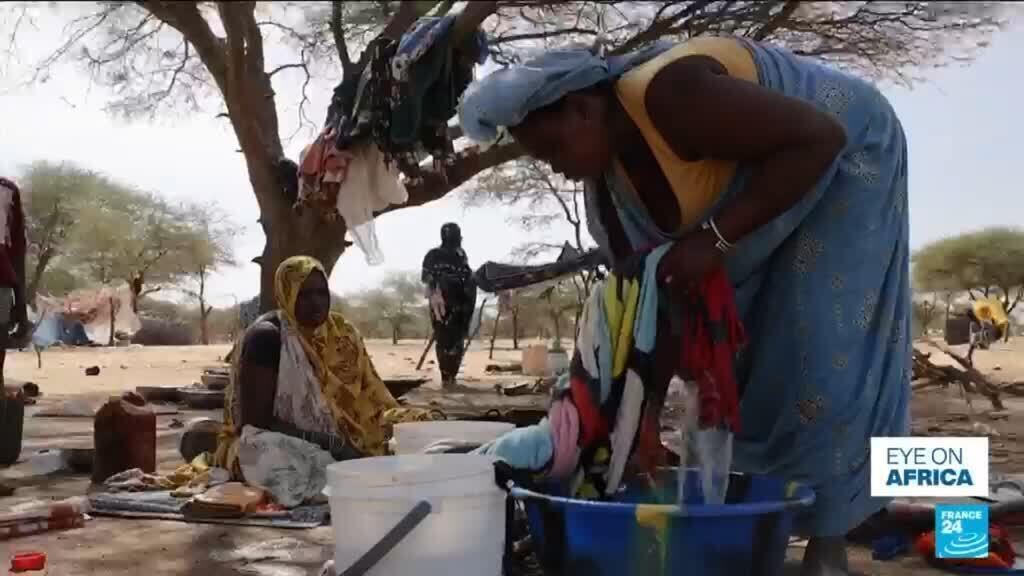
The arid plains bordering Mali and Mauritania are once again witnessing a heartbreaking exodus. Over the last two weeks, a surge of desperate Malians has crossed the border into Mauritania, seeking refuge from the tightening grip of the al Qaeda-linked group, JNIM (Jama'at Nasr al-Islam wal Muslimin). This isn't just another statistic; it's a stark reminder of the human cost of protracted conflict and the devastating impact of extremist groups on vulnerable populations.
Mali Exodus: Is a Devastating Crisis Unfolding?! T...
Reports coming in paint a grim picture. JNIM's blockade, intended to exert control and disrupt the region, has effectively isolated entire communities. Food supplies are dwindling, access to essential services is cut off, and the constant threat of violence looms large. It's a siege mentality that's forcing people to make impossible choices: stay and risk starvation or violence, or flee and face the uncertainty of refugee life.
France 2’s Cautlin Kelly, reporting from the ground, notes that the vast majority of those arriving in Mauritania have no intention of returning to Mali anytime soon. Think about that for a moment. These aren’t just temporary evacuees; these are people who have lost all hope in their homeland. The repeated waves of violence since 2012, the insecurity, the lack of opportunity – it all adds up to a deep-seated sense of despair.
I've seen similar situations unfold in other conflict zones, and the pattern is always the same. People reach a breaking point. They’re resilient, sure, but there's only so much hardship a community can endure. What’s particularly worrying here is the long-term implications for the region. The displacement destabilizes already fragile states, and the presence of extremist groups further complicates efforts to build lasting peace.
The situation demands urgent attention. Mauritania, already struggling with its own challenges, is now facing a humanitarian crisis. International aid organizations are scrambling to provide assistance, but the scale of the need is immense. Beyond immediate relief, however, there's a critical need for a comprehensive strategy that addresses the root causes of the conflict in Mali. That means tackling poverty, improving governance, and countering the extremist ideology that fuels the violence. Otherwise, we'll just keep seeing these heartbreaking scenes repeated, and the cycle of displacement will continue, leaving a trail of broken lives in its wake.
It's easy to get lost in the numbers, but it's crucial to remember that each of these refugees is an individual with a story, a family, and a future that has been tragically disrupted. Their plight should serve as a wake-up call to the international community to do more, not just to alleviate suffering but to address the underlying issues that are driving this exodus. The stability of the entire Sahel region hangs in the balance.
Comments
Please sign in with Google to post a comment
No comments yet. Be the first to comment!