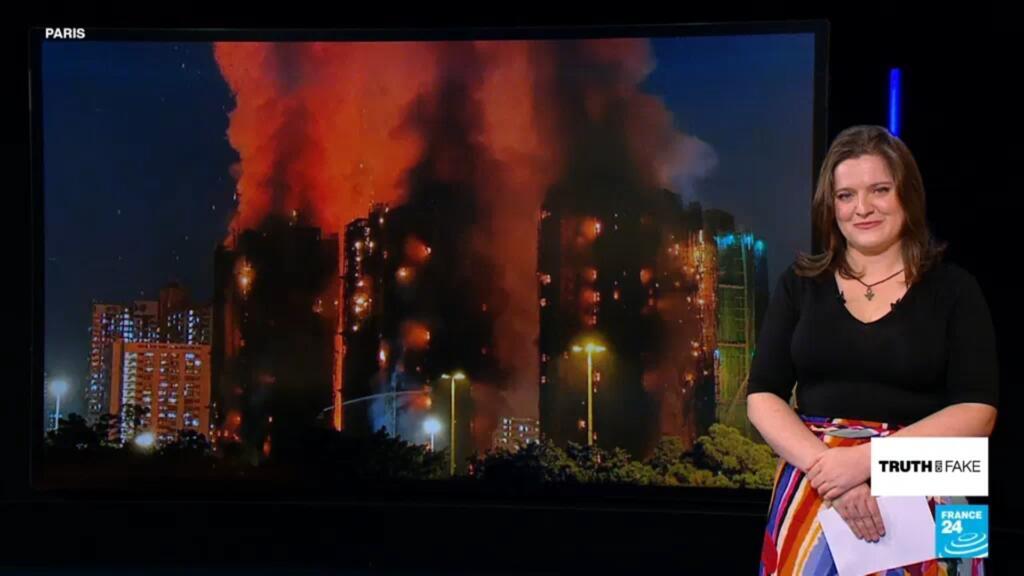
Hong Kong is grappling with the aftermath of a devastating fire that ripped through the Wang Fuk Court complex last week, leaving a trail of grief and, unfortunately, a surge of misinformation in its wake. The blaze, which claimed the lives of at least 151 people and injured many more, marked the city's deadliest fire in almost seventy years. It's a heartbreaking situation, and amidst the legitimate grief, a disturbing trend has emerged: the spread of false narratives targeting the very people who risked their lives to fight the fire and the iconic bamboo scaffolding so often seen across Hong Kong.
Hong Kong Fire Inferno: Are Misinformation Attacks...
The fire, which started last Wednesday and wasn't fully extinguished until Friday, understandably sparked widespread panic and calls for accountability. However, some online commentators quickly shifted blame, accusing firefighters of being slow to respond or inadequately equipped. These claims, amplified through social media, often lacked factual basis and seemed intent on undermining public trust in the fire services. Having witnessed firsthand the bravery and dedication of these first responders over the years, I find such accusations particularly disheartening.
Then there's the bamboo scaffolding. A distinctive feature of Hong Kong’s construction landscape, these structures have come under scrutiny following the fire. Some have suggested that the bamboo itself contributed to the rapid spread of the flames, an argument that ignores the centuries-long tradition of using bamboo for construction and its inherent flexibility and strength when properly maintained. It's true that bamboo can be flammable, but the reality is that modern fire safety regulations require treatment and precautions to mitigate this risk, and the focus should be on whether these regulations were adhered to in this specific case, rather than a blanket condemnation of bamboo scaffolding itself.
Of course, investigations into the cause of the fire and the building's fire safety measures are absolutely necessary. We need to learn from this tragedy and ensure that such a disaster never happens again. But it's equally important to combat the spread of misinformation, especially when it unfairly targets those who are working tirelessly to protect the community and perpetuates harmful stereotypes. Before sharing or believing information online, let's all take a moment to verify its source and consider the potential impact of spreading unfounded claims. Truth, after all, is the first casualty in times of crisis, and we owe it to the victims and their families to ensure that it prevails.
This tragedy highlights the importance of responsible reporting and critical thinking in the digital age. Let’s focus on supporting the affected communities, learning from the incident, and ensuring that Hong Kong continues to be a safe place for everyone.
Comments
Please sign in with Google to post a comment
No comments yet. Be the first to comment!