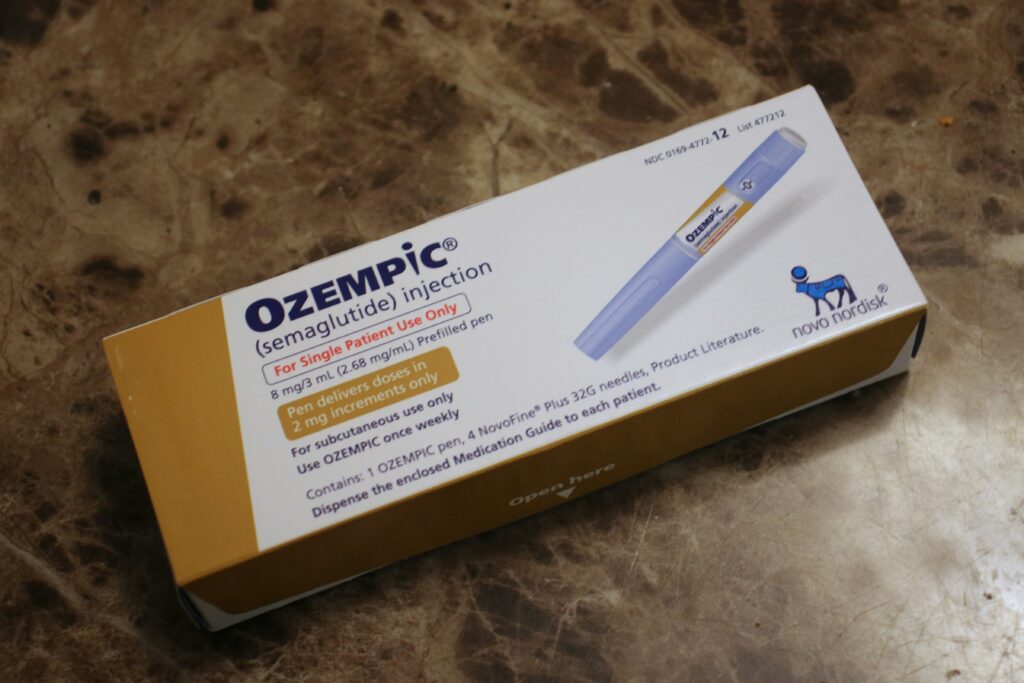
WHO issues global guidance on ‘skinny jabs’ like Ozempic for obesity treatment
The World Health Organisation (WHO) has finally weighed in on the global phenomenon of GLP-1 medications, those "skinny jabs" like Ozempic that have been making headlines and shrinking waistlines (and wallets). They've just released their global guidelines for the use of these drugs in the treatment of obesity.
Ozempic Warning! WHO's SHOCKING New Guidance Could...
Published December 1st, 2025, these guidelines arrive at a crucial time. Obesity, as the WHO points out, is a rapidly escalating global health crisis. We’re talking over a billion people affected worldwide. That's a staggering number, and it's only getting worse.
So, what's the WHO saying about these drugs? Well, they acknowledge the potential benefits. Lower blood sugar, weight loss, reduced risk of heart and kidney complications, even decreased risk of premature death for people with type 2 diabetes – sounds pretty good, right? But, and this is a big but, the organization also sounds a note of caution. While the short-term effectiveness seems promising, there's just not enough long-term data yet.
And honestly, that’s understandable. These drugs haven't been around *that* long, relatively speaking. We need to know what the effects are going to be ten, twenty, thirty years down the line. But the urgency is definitely there. The WHO reports that over 890 million adults worldwide are classified as obese, and a horrifying 3.7 million deaths were attributed to it in 2024 alone. Projections paint a bleak picture: that number of obese individuals could *double* by 2030 if nothing changes.
"Obesity is a major global health challenge that WHO is committed to addressing," stated Dr. Tedros Adhanom Ghebreyesus, Director-General of the WHO. "Our new guidance recognises that obesity is a chronic disease that can be treated with comprehensive and lifelong care." Lifelong care…that phrase alone gives you a sense of the scale of the problem. And the commitment required to address it.
The WHO really hammers home the point that obesity is a domino that sets off a chain of other diseases – cardiovascular problems, type 2 diabetes, even certain cancers. Plus, it can complicate outcomes for people battling unrelated infectious diseases. The guidelines are also aimed at tackling the sheer economic burden. Managing obesity and its complications puts a massive strain on healthcare systems worldwide.
And it's not just about health; it's about economics too. "Beyond its health impacts, the global economic cost of obesity is predicted to reach US$3 trillion annually by 2030," the WHO warns. That's trillion, with a "T."
The WHO is pushing for action on several fronts: manufacturing capacity, affordability of these medications, and systemic readiness to integrate them into healthcare systems. Equitable access is the key phrase here. They're rightly concerned about ensuring these drugs reach the people who need them most, not just those who can afford them. And with the popularity of "skinny jabs," the market has been flooded with potentially unsafe knock-offs, so ensuring quality control is a must.
Looking ahead, the WHO plans to work with stakeholders in 2026 to develop a framework that prioritizes access to these treatments for those with the greatest need. It's a complex issue, and it's going to take a coordinated global effort to tackle it effectively. Here’s hoping they succeed.
By Natascha Rivera
Comments
Please sign in with Google to post a comment
No comments yet. Be the first to comment!