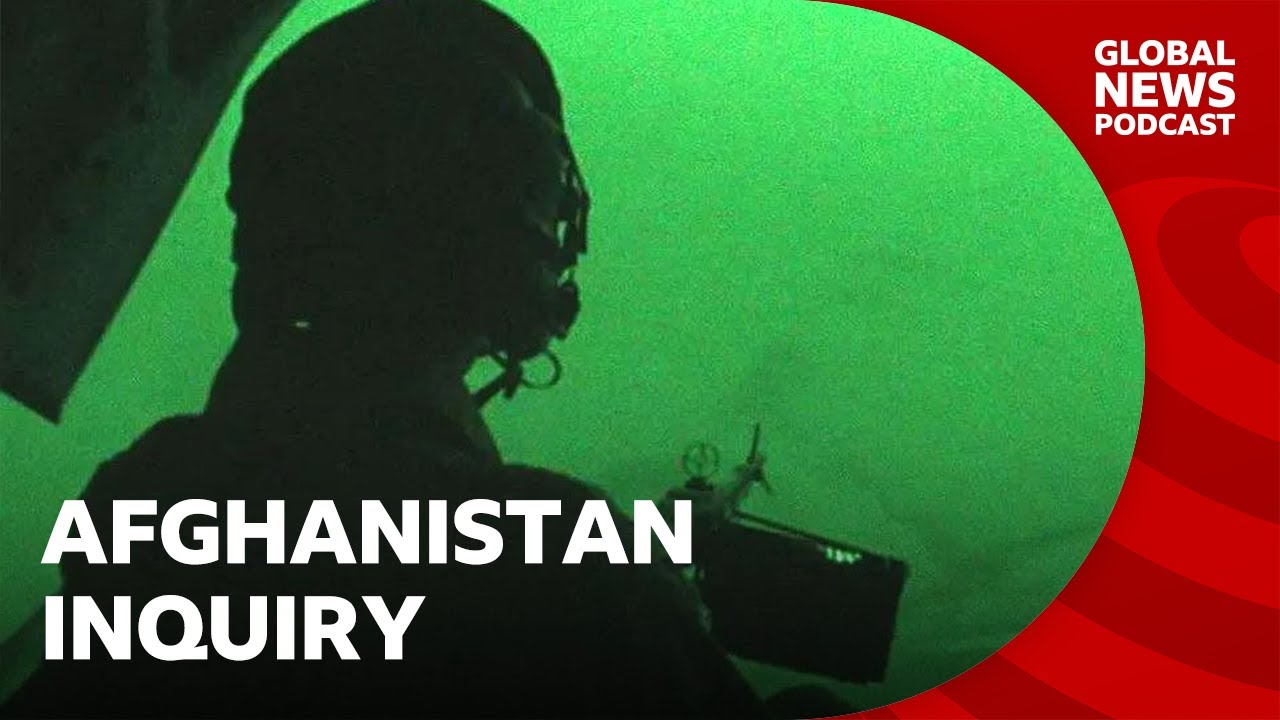
The BBC has dropped a bombshell, folks. A new report details an ongoing inquiry into allegations that evidence of potential UK war crimes in Afghanistan was deliberately suppressed. It's a troubling story, one that raises serious questions about the ethics of warfare and the lengths some might go to avoid scrutiny. As someone who's followed military affairs for years, I can tell you, these types of allegations are never easy to untangle.
Afghanistan War Crimes: Shocking Cover-Up Exposed?...
The heart of the matter seems to be centered around key testimonies and findings unearthed by the inquiry. Details are still emerging, but the implication is that information pertaining to potential misconduct by British military personnel in Afghanistan may have been intentionally hidden or downplayed. We're talking about potential war crimes here. That's not something to take lightly.
Transparency is absolutely crucial when dealing with armed conflict. We need to know the truth, even when it's uncomfortable. What were the circumstances surrounding these alleged incidents? Who was involved? And perhaps most importantly, why would anyone try to cover it up? These are the questions this inquiry must answer, and the public deserves to know the results.
The BBC's report specifically highlights the inquiry hearings, suggesting that testimonies are playing a significant role in uncovering what happened. Think about that for a moment. Individuals, likely soldiers or officials, are coming forward, potentially at great personal risk, to share their accounts. That speaks volumes about the gravity of the situation. It suggests that there are people within the system who believe deeply in accountability, who refuse to let such serious allegations be swept under the rug.
Now, it's important to remember that these are allegations at this stage. The inquiry is ongoing, and conclusions haven't been reached. But the fact that this inquiry is even happening, and that the BBC is covering it so prominently, suggests that there is real substance to these claims. It's a reminder that even in the heat of war, ethical conduct and adherence to international law must be paramount. Suppressing evidence, if proven true, would represent a profound betrayal of those values, and those responsible must be held accountable. It's a long road to justice, but it's one we must travel.
Comments
Please sign in with Google to post a comment
No comments yet. Be the first to comment!