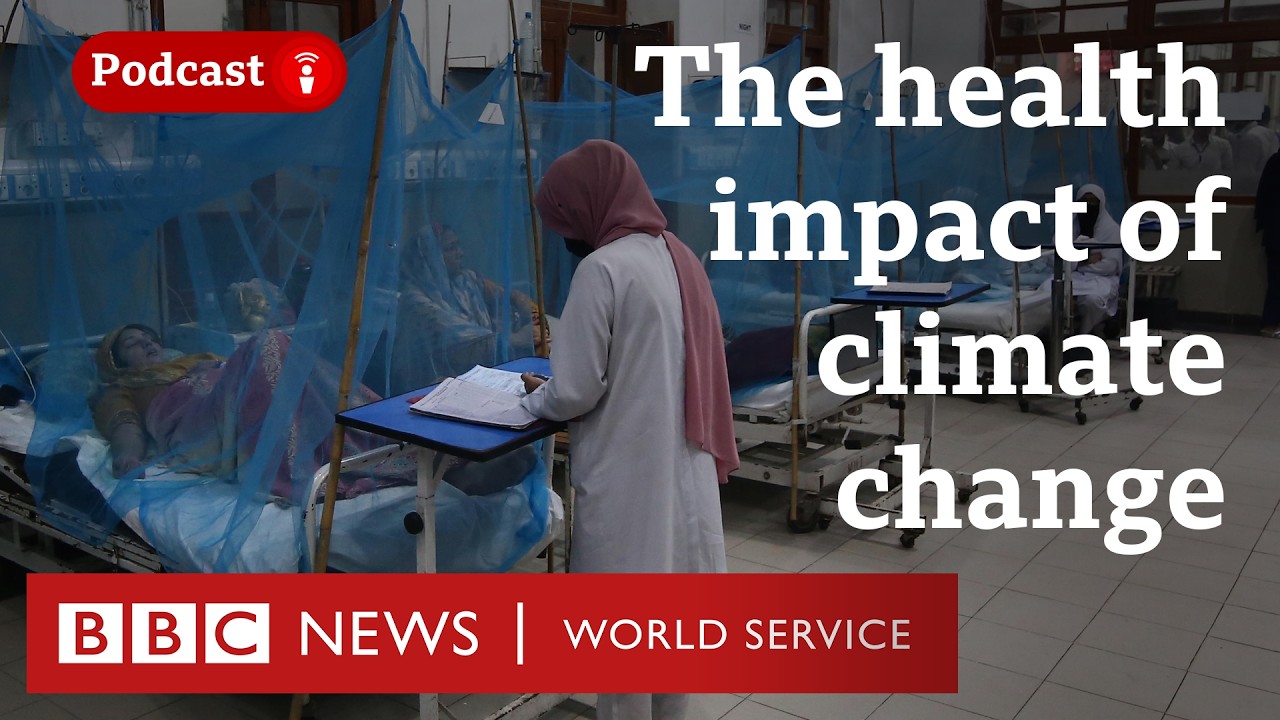
The changing climate isn't just about melting glaciers and rising sea levels; it's about *our* health. And increasingly, doctors are finding themselves on the front lines, dealing with the very real consequences. The BBC World Service's "The Climate Question" podcast is tackling this head-on, and I'm particularly interested to hear what they've uncovered.
How are doctors dealing with climate change? - The...
The premise is simple but vital: how are medical professionals adapting to the growing health impacts directly attributable to climate change? Think about it – longer allergy seasons, increased incidence of Lyme disease as tick habitats expand, and the devastating health consequences of extreme weather events like hurricanes and wildfires. It's a whole new ballgame for healthcare.
What I'm really curious about is how these challenges are playing out in different parts of the world. Is a doctor in Bangladesh, dealing with increased flooding and waterborne diseases, facing different hurdles than a physician in California, battling wildfire smoke and heatstroke? I suspect the answer is a resounding "yes," and understanding those nuances is crucial.
It’s not just about treating the symptoms, either. Doctors are also starting to become advocates for change, recognizing that prevention is key. They're speaking out about the need for cleaner air, sustainable food systems, and policies that prioritize public health in the face of environmental threats. This shift from purely reactive to proactive is, in my opinion, a very welcome development. After all, who better to explain the urgency of the climate crisis than the people who are seeing its effects firsthand?
The podcast likely dives into the practical solutions being implemented. Are hospitals investing in more resilient infrastructure? Are medical schools incorporating climate change into their curricula? And are there specific strategies doctors are using to educate patients about protecting themselves from climate-related health risks? These are the kinds of tangible actions that give me hope.
Ultimately, the intersection of public health and environmental policy is becoming undeniable. The "Climate Question" podcast, by focusing on the experiences of doctors, is highlighting this connection in a powerful and relatable way. It's a conversation we all need to be paying attention to, because climate change isn't some distant threat – it's affecting our health, right now. And the insights from those on the front lines of healthcare are more vital than ever.
Comments
Please sign in with Google to post a comment
No comments yet. Be the first to comment!