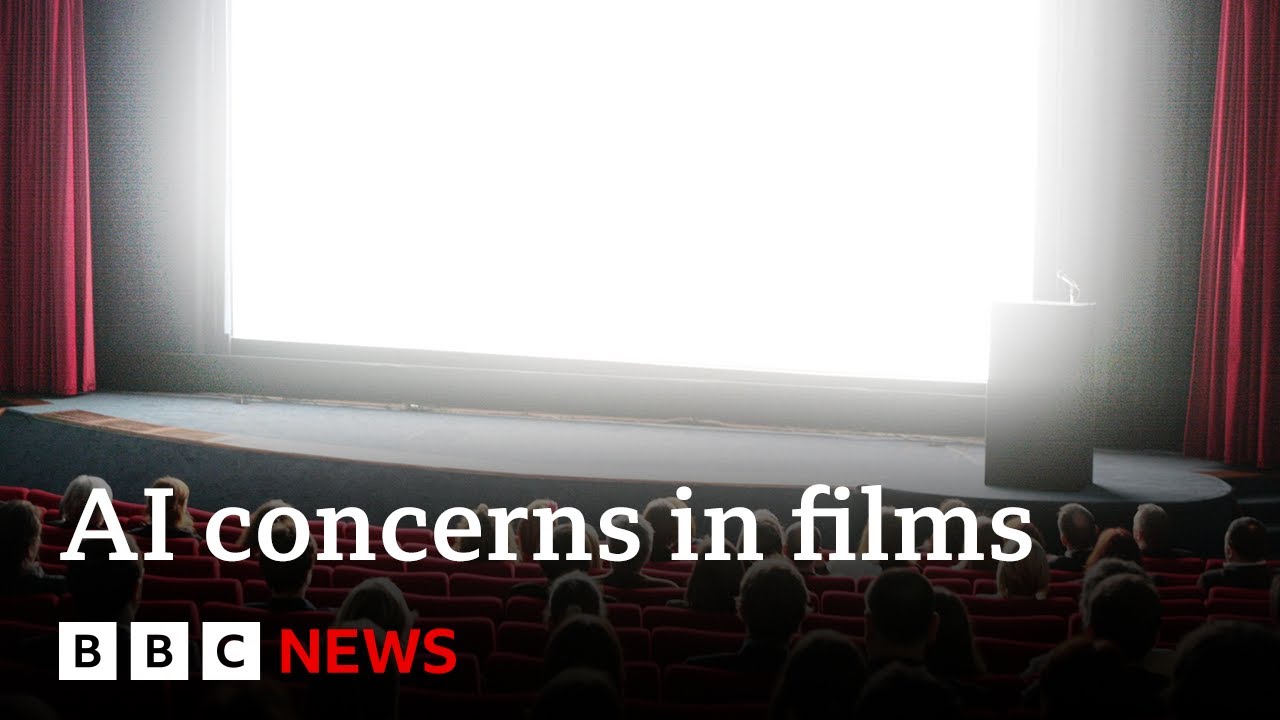
The rise of artificial intelligence is no longer a futuristic fantasy; it's knocking on Hollywood's door, and some say it's already inside, rearranging the furniture. A recent BBC News report shone a spotlight on the growing unease and, frankly, outright fear surrounding AI's encroachment into the filmmaking world. And it's not just about robots writing screenplays (though that's definitely part of it). We're talking about everything from AI-powered visual effects that can generate entire scenes to algorithms that can "de-age" actors with unnerving realism. It begs the question: what does it mean to be a filmmaker, or even an actor, in this new landscape?
AI Taking Over Hollywood?! What This Means For Act...
The report likely delved into the ethical minefield that AI presents. Think about it: if an AI can create a performance that mimics a real actor, what happens to the actor's right to their own likeness? What about the voice actors who are seeing their voices replicated and used in ways they never agreed to? The potential for exploitation is staggering, and the legal frameworks are struggling to keep up. I remember a conversation I had with a visual effects artist last year who was already feeling the pressure. He was worried that AI tools would eventually automate his job, leaving him and many others in the industry jobless.
But it's not all doom and gloom, or at least, some argue it isn't. Proponents of AI in film suggest it can democratize the industry, allowing independent filmmakers with limited budgets to achieve effects and production values that were once only accessible to major studios. Imagine a small, indie production being able to create stunning visuals without breaking the bank. That's a compelling argument, and it's important to acknowledge the potential benefits. However, even with these potential upsides, the question of jobs remains. Will these AI tools create new opportunities, or will they simply displace existing ones?
Ultimately, the BBC report underscores a critical point: we need to have a serious conversation about the role of AI in film, and we need to have it now. We need to consider the ethical implications, the potential for economic disruption, and the impact on the creative process itself. This isn't just about the future of filmmaking; it's about the future of work, the future of art, and the future of what it means to be human in a world increasingly shaped by artificial intelligence. The credits are rolling on one era, and a new one, written in code, is about to begin. Let's just hope we have some say in how the story unfolds.
Comments
Please sign in with Google to post a comment
No comments yet. Be the first to comment!