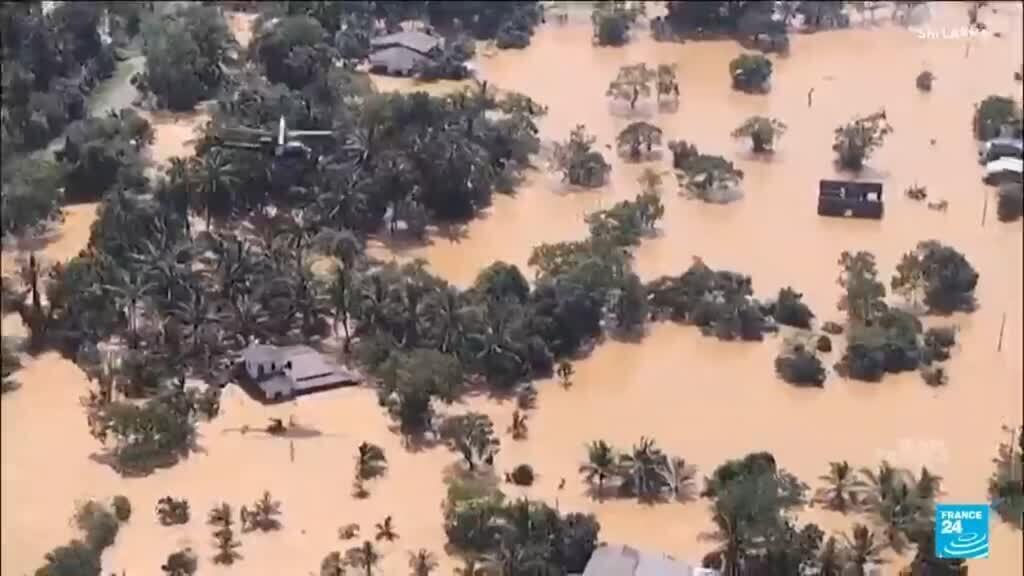
Tragedy continues to unfold across Asia as devastating floods have claimed the lives of nearly 1,000 people across Sri Lanka, Indonesia, Thailand, and Malaysia. The sheer scale of the disaster is breathtaking, and the aftermath promises to be a long and arduous recovery. I remember reporting on similar monsoon floods years ago – the feeling of helplessness amidst such immense natural power is something that stays with you.
Asia Floods: Death Toll Soars! Will Military Aid A...
The deluge, a relentless downpour spurred by differing weather patterns in each region, began last week and quickly overwhelmed infrastructure and communities. Sri Lanka and Indonesia have been particularly hard hit, prompting both nations to deploy military personnel to aid in rescue and relief efforts. Think about that for a second – soldiers, normally tasked with defense, now wading through floodwaters, helping people reach safety. It really puts things into perspective.
In Indonesia, the island of Sumatra has borne the brunt of the flooding, with entire villages submerged and communication lines severed. The situation in Southern Thailand and Northern Malaysia isn't much better. Early reports are painting a grim picture of widespread damage to homes, businesses, and vital agricultural land. The economic impact, particularly for already vulnerable communities, will be substantial.
The immediate focus is, of course, on saving lives and providing essential supplies. But the longer-term implications are what worry me. We're talking about displacement, disease outbreaks, and the psychological trauma that comes with experiencing such a cataclysmic event. The need for clean water, food, and medical assistance is critical right now, but rebuilding lives and livelihoods will take years, if not decades.
While the exact figures are still being compiled, early estimates suggest hundreds of thousands have been displaced from their homes. The coordination of international aid is now paramount, and it’s crucial that assistance reaches those who need it most, quickly and efficiently. There's always a risk in these situations that aid gets misdirected or doesn't reach the people on the ground who desperately require it. We need to ensure accountability and transparency every step of the way.
Beyond the immediate crisis, this tragedy also highlights the urgent need for improved disaster preparedness and climate resilience in these regions. More robust infrastructure, early warning systems, and sustainable land management practices are essential to mitigate the impact of future extreme weather events. This isn't just about reacting to disasters; it's about proactively working to prevent them from happening in the first place. The future of these communities might depend on it.
Comments
Please sign in with Google to post a comment
No comments yet. Be the first to comment!