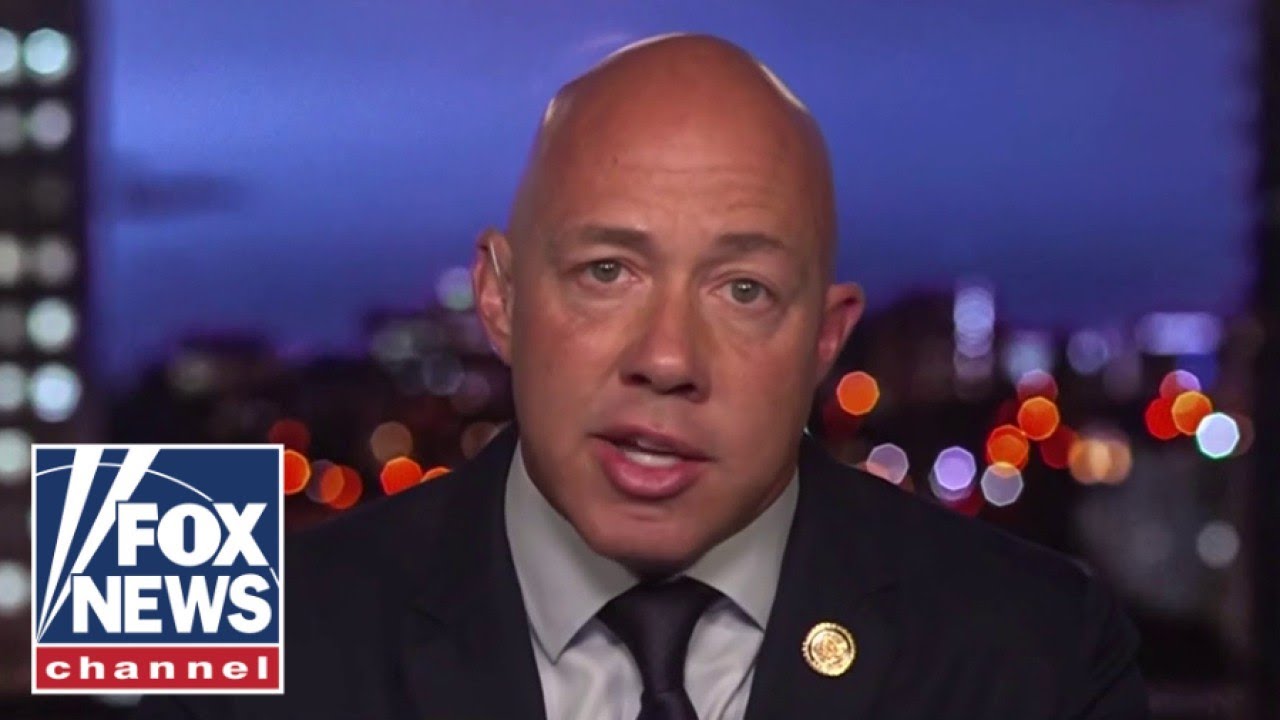
Rep. Brian Mast didn't mince words. He's calling out Democratic lawmakers for what he views as a seriously dangerous precedent: encouraging military personnel to defy "illegal orders." Mast, a Republican representing Florida, labeled their actions "despicable" in a recent video that's now making the rounds online. It's a strong accusation, and one that's sure to ignite some serious political fire.
GOP Rep BLASTS Dems: "Despicable" Military Orders?...
The core of the issue revolves around the delicate balance between civilian oversight of the military and the sanctity of the chain of command. The military operates on a hierarchical structure, and obedience to lawful orders is paramount. Without it, you have chaos. Mast argues that the Democrats' past statements, whatever their original context, undermine this fundamental principle. He suggests that such pronouncements, especially coming from elected officials, can erode discipline and sow seeds of doubt within the ranks.
Now, it's important to dig a little deeper. What exactly were these "illegal orders" that Democrats were supposedly encouraging the military to disobey? While I don't have the specifics readily available, it likely stems from heated political debates over controversial military actions or deployments during previous administrations. It's not uncommon for political rhetoric to get pretty intense, particularly during times of war or perceived national crisis. However, Mast's point is that even in the heat of the moment, there are lines that shouldn't be crossed, especially when it comes to the military.
This controversy also highlights the increasingly polarized political landscape. Everything, it seems, is viewed through a partisan lens these days, and even the military, which should ideally be above the political fray, isn't immune. The impact of this kind of political discourse on national security is a legitimate concern. Do these kinds of statements embolden adversaries? Do they make it harder for our troops to do their jobs? These are questions worth considering.
The debate is now raging, and it's unlikely to subside anytime soon. Whether or not you agree with Mast's assessment, it's a reminder that words have consequences, especially when they involve matters of national security and the delicate balance of power between the civilian government and the armed forces. It's a topic that deserves serious discussion, not just another shouting match in the echo chamber of partisan politics. I, for one, will be following this closely.
Comments
Please sign in with Google to post a comment
No comments yet. Be the first to comment!