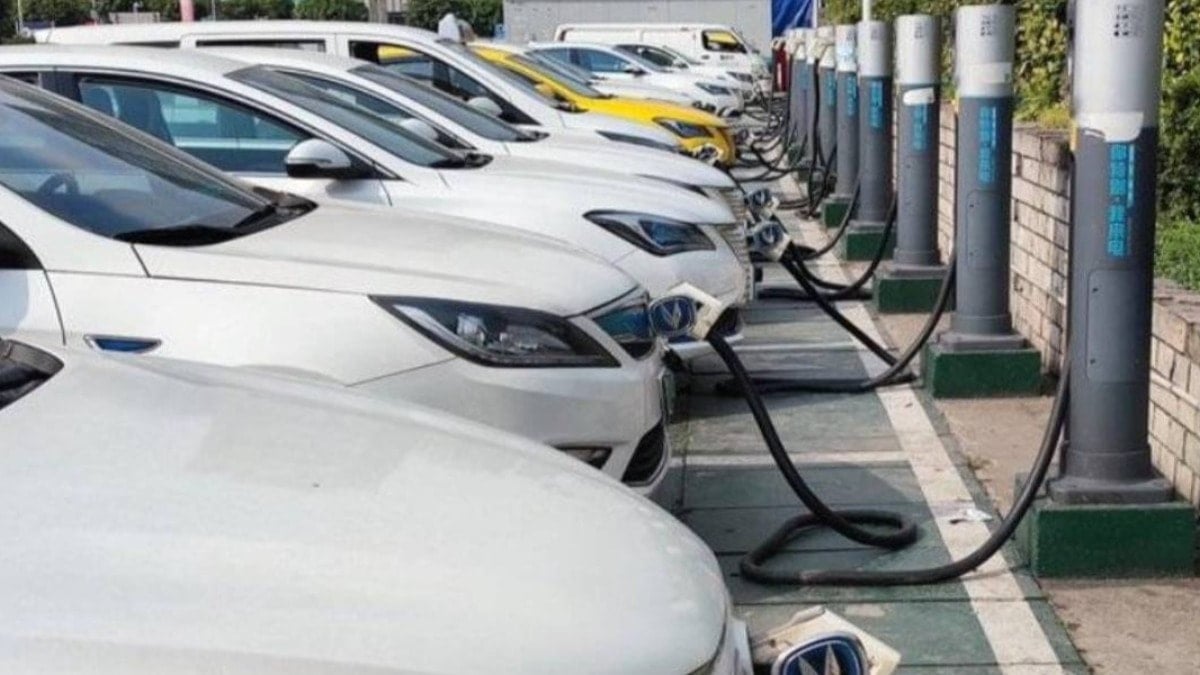
The electric vehicle revolution, once hailed as the unstoppable future of transportation, is hitting some serious speed bumps. What was predicted to be a rapid ascent to dominance is now facing a harsh dose of reality, with sobering consequences for workers and investors alike. Incentive cuts, persistent supply chain woes, and unexpected cost overruns are forcing even the biggest players in the automotive industry to pump the brakes hard.
Electric Car Bloodbath! Hundreds Fired – What's Ne...
It’s a far cry from the bold pronouncements we heard just a year or two ago. Manufacturers, who confidently announced ambitious goals to transition their entire fleets to electric power, are now scaling back those plans. We're seeing increased layoffs, and a general sense of unease is palpable within the industry. The confluence of policy shifts, like the retraction of tax incentives, coupled with the enduring volatility of global supply chains, has created something of a perfect storm for EV manufacturers.
Companies are now in a reactive mode, reassessing strategies, trimming investments, and making the difficult decision to lay off employees – often after publicly declaring those very bold EV targets. Remember that $7,500 tax credit that was supposed to grease the wheels of EV adoption? Its expiration in September sent ripples through the market. Ford CEO Jim Farley even suggested that the U.S. electric vehicle market share could nearly halve, potentially landing at a mere 5% in the near future. Even Tesla's Elon Musk, not one to shy away from optimism, warned back in July that the reduction in federal support could spell "a tough few quarters" for his company.
And it seems those warnings weren’t just bluster. Cox Automotive data paints a stark picture: electric vehicle sales plummeted by roughly 49% in October, following a September surge driven by consumers scrambling to take advantage of the expiring tax credit. Stephanie Valdez Streaty, Director of Industry Insights at Cox Automotive, put it plainly, telling Business Insider that the withdrawal of government support will inevitably "push the timeline back" on the overall EV transition.
Streaty also pointed out that the Biden administration is lagging significantly behind its stated goals from just four years ago. She predicts that only about 24% of new vehicle sales will be electric by 2030. "We're not expecting to see a huge jump in the next couple of years," she said, rightly emphasizing that the persistent lack of affordable electric vehicle options remains a significant roadblock. It’s one thing to tout the benefits of electric cars, but quite another to make them accessible to the average consumer.
The slowing demand for electric vehicles is beginning to show up on corporate balance sheets. GM, for example, recently announced plans to lay off 1,750 employees after taking a $1.6 billion hit due to adjustments in its EV strategy. Rivian, another promising EV startup, has also been forced to reduce its workforce by around 4.5%. These aren't just numbers; these are real people losing their jobs because the projected EV boom hasn't materialized as quickly or as smoothly as anticipated.
Beyond demand issues, the sector continues to battle persistent supply chain problems. The lingering effects of U.S. tariffs haven't disappeared, and a temporary shortage of essential chips has resurfaced, adding another layer of complexity. Throw in a recent fire at a major aluminum supplier for Ford, which has further disrupted production plans, and you have a perfect storm of challenges facing the electric vehicle industry. It's clear the road to an all-electric future is proving to be far bumpier than many initially thought.
Comments
Please sign in with Google to post a comment
No comments yet. Be the first to comment!