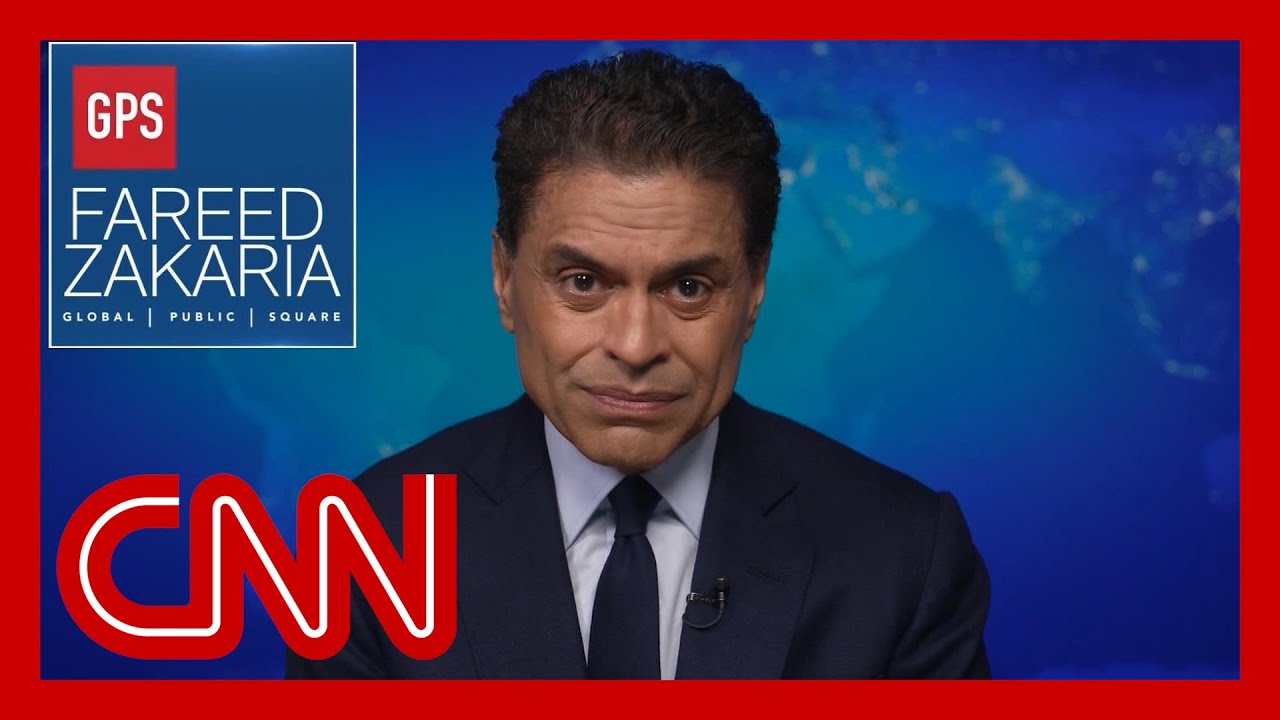
Fareed Zakaria, never one to shy away from a complex issue, has dropped a thought-provoking commentary arguing that the modern presidency has ballooned into something the Founding Fathers simply wouldn't recognize. It's a bold claim, but one that resonates when you consider the sheer scope of presidential power today.
Fareed's Shocking Claim: Has Presidential Power Go...
Zakaria's core argument, as I understand it, isn't just about the *amount* of power, but the *nature* of it. We're talking about an executive branch that can initiate military actions with limited Congressional oversight, negotiate sweeping international agreements largely independently, and wield immense regulatory authority through executive orders. Think about that for a second. The guys who wrote the Constitution were terrified of centralized power; they’d be spinning in their graves.
This expansion, Zakaria suggests, isn't some sudden, overnight phenomenon. It's been a gradual creep, fueled by crises like the Great Depression and the World Wars, each event paving the way for a stronger executive to "get things done." We've seemingly become comfortable, maybe even reliant, on a powerful presidency. I mean, who *doesn't* expect the president to step in and solve every problem, from economic downturns to natural disasters?
But here's the crux of the issue: Is this concentrated power ultimately good for American democracy? Zakaria raises some serious questions about the long-term implications. Does it undermine the checks and balances that were designed to prevent tyranny? Does it stifle legislative debate and compromise? Does it lead to a situation where one person's vision, however well-intentioned, dictates the course of the nation? These aren't easy questions, and there aren't simple answers, either.
Frankly, what I find most compelling about Zakaria's analysis is the call to informed civic engagement. Understanding how the presidency has evolved, the powers it wields, and the potential consequences, is absolutely essential for every citizen. We need to be asking these questions, demanding accountability, and actively participating in the conversation about the proper role of the executive branch in the 21st century. Otherwise, we risk sleepwalking into a system that bears little resemblance to the Republic the Founding Fathers envisioned. It's a sobering thought, and a necessary one.
Comments
Please sign in with Google to post a comment
No comments yet. Be the first to comment!