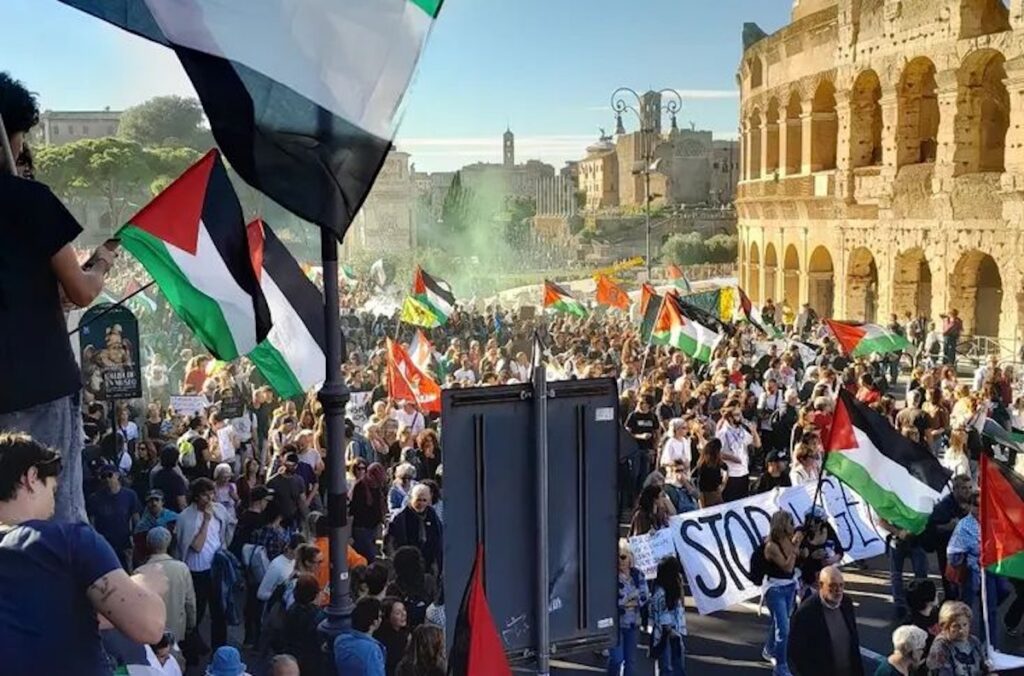
Europe saw a surge of pro-Palestinian solidarity this weekend, as tens of thousands took to the streets across major cities on Saturday, November 29th. The demonstrations coincided with the International Day of Solidarity with the Palestinian People, but the mood was far from celebratory. Anger simmered beneath the surface, fueled by accusations that a fragile ceasefire is failing and that humanitarian aid is being deliberately obstructed.
Europe Erupts: Is Hope for a Ceasefire Now Lost?!
From Paris to Rome, protesters marched, chanted, and held signs demanding an end to the ongoing conflict and calling for serious international intervention. The message was clear: Europe needs to do more than just stand by and watch. I've covered similar demonstrations before, but this felt different. There was a palpable sense of urgency and frustration, as if people are finally realizing the gravity of the situation unfolding in Gaza.
The demonstrations weren't just organized by the usual activist groups either. High-profile figures like Greta Thunberg and Francesca Albanese, the UN Special Rapporteur on the Occupied Palestinian Territories, were also present, lending their voices and platforms to the cause. Thunberg, a member of the Global Sumud Flotilla, openly condemned the Italian government's complicity and even used the term "genocide" to describe the situation—a word that carries significant weight and, frankly, is rarely uttered so openly in mainstream circles. This, in itself, speaks volumes.
Albanese echoed Thunberg's sentiments, particularly focusing on the need to halt military cooperation between Italy, the EU, and Israel. She emphasized the role of European countries in potentially fueling the conflict through arms transfers and joint military exercises. "Italy and the European Union must stop transferring weapons," she stated, "conducting military exercises with Israel, and trading in technologies that could fuel the ongoing crimes."
The protesters’ central complaint revolves around the US-brokered ceasefire, implemented on October 10th, which they argue has been repeatedly violated by Israel. They say that while Israeli forces have technically retreated behind a designated line, they still occupy a significant portion of Gaza, creating a de facto occupation that prevents meaningful aid from reaching those who desperately need it. Of course, both sides routinely accuse each other of breaking the truce, making the situation incredibly complex and difficult to unravel. But one thing is clear: the ceasefire isn't working as intended.
And the numbers tell a grim story. According to Gaza's health ministry, more than 70,000 people have been killed during the two years of conflict. This, coupled with the findings of a recent YouGov EuroTrack survey showing plummeting public sympathy for Israel across Western Europe, suggests a significant shift in public opinion. People are questioning the justifications for the ongoing military actions in Gaza, and they are demanding accountability.
The marches this weekend may just be the beginning. With the ceasefire faltering and the humanitarian crisis deepening, expect to see more and more pressure mounting on European governments to take decisive action. The world is watching, and the voices of the protesters are growing louder.
Comments
Please sign in with Google to post a comment
No comments yet. Be the first to comment!