Governments across the globe have just given sharks a massive win. At a major wildlife trade conference, enhanced protections were approved for over 70 species of sharks and rays, a move driven by growing alarm that overfishing is pushing these creatures to the very edge of existence. It's about time, frankly.
Shark Protections Expanded! Is This Enough to Save...
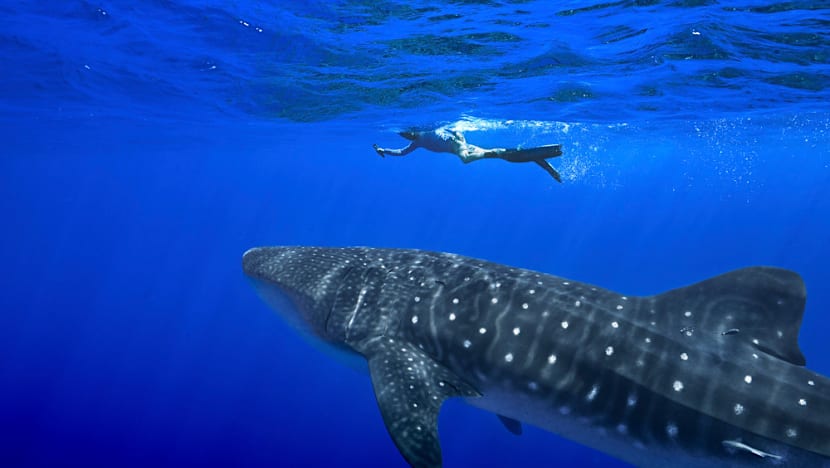
The agreement, hammered out last Friday at the Convention on International Trade in Endangered Species of Wild Fauna and Flora (CITES) in Uzbekistan, effectively bans the trade in several vulnerable species. Think oceanic whitetip sharks, majestic manta rays, elusive devil rays, and even the gentle giants, whale sharks. Trade will be heavily restricted for others, including gulper sharks, smoothhound sharks, and tope sharks. From now on, trading in these species can only occur if proof exists that their sourcing is legal, sustainable, and fully traceable.
But the real hammer blow came for several types of guitarfishes and wedgefishes. Governments agreed to implement zero-annual export quotas, meaning, in practical terms, a complete halt to legal international trade in these species. That's a strong statement.
"This is a landmark victory," declared Luke Warwick, director of shark and ray conservation at the Wildlife Conservation Society. "Countries across Latin America, Africa, the Pacific, and Asia came together in a powerful show of leadership and solidarity, passing every shark and ray proposal." It’s always encouraging to see such global cooperation on vital conservation issues.
The core argument from conservationists is that these protections are desperately needed to tackle the rampant overfishing driven by the trade in fins, meat, oil, and even gills. This billion-dollar industry is simply not sustainable. A staggering statistic: over 37% of shark and ray species are currently threatened with extinction. That's a crisis, not just a concern.
Barbara Slee, senior program manager at the International Fund for Animal Welfare, put it bluntly: "For too long, sharks that have roamed our oceans for millions of years have been slaughtered for their fins and meat." She added, "People may fear sharks, but the truth is we pose a far greater threat to them—with more than 100 million killed every year." These new protections, she believes, will "help shift that balance" and recognize sharks as far more than just commodities to be traded.
This recent decision builds on past successes. At the previous CITES conference in Panama back in 2022, protections were increased for over 90 shark species, including various requiem sharks, bonnetheads, hammerheads, and guitarfish. Many of these had never been afforded such trade protections before. It's a slow, but hopefully steady, progression towards better conservation.
The CITES treaty has a mixed record, though it undeniably has played a role in curbing illegal trade in products like ivory, rhino horns, and sea turtle shells. However, the treaty is heavily reliant on developing countries, often with limited resources, to actually enforce these bans and combat illegal trade, which has sadly morphed into a hugely lucrative industry.
Comments
Please sign in with Google to post a comment
No comments yet. Be the first to comment!