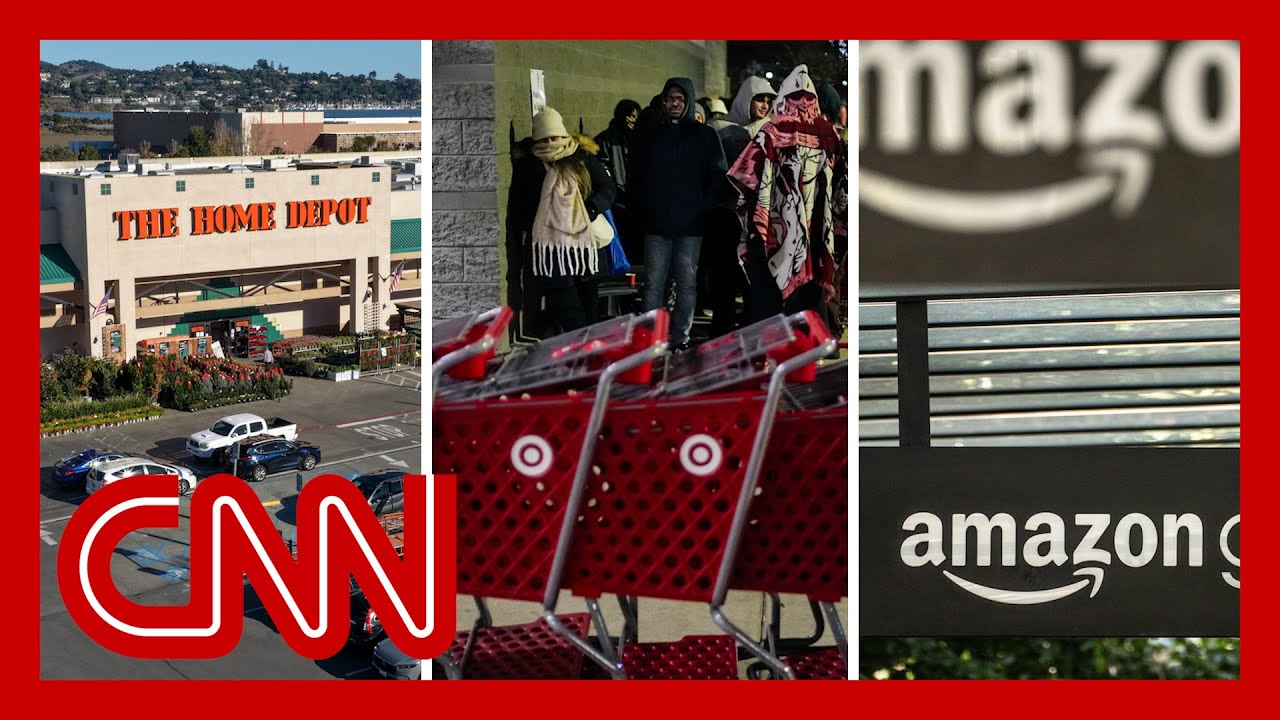
Okay, so the political climate is already a pressure cooker, right? But now it's seeping into our wallets. We're seeing a surge in consumer boycotts, and the target? Businesses that aren't vocal enough in their opposition to Donald Trump. It's a fascinating – and potentially volatile – development, and honestly, one that I think we all need to understand a bit better.
Boycott Backlash! Which Companies Are Facing the T...
The idea is pretty straightforward: if you disapprove of someone's political stance, or perceived lack thereof, you hit them where it hurts – their bottom line. We're talking about organized campaigns urging people to stop buying products or services from companies seen as either supporting Trump directly, or, crucially, not doing enough to actively denounce him. And let me tell you, these boycotts aren't just a few disgruntled individuals tweeting; they're often well-organized, leveraging social media and grassroots movements to gain real traction.
What’s fueling this? Well, for starters, there's the increased political polarization. People are more passionate than ever about their beliefs, and they're demanding that businesses take a stand. Staying neutral, which was once considered a safe bet, is increasingly seen as complicity. Think about it – companies are now judged not just on their products and services, but on their perceived moral alignment. That’s a pretty seismic shift.
But what are the actual ramifications? It's tricky to quantify definitively, of course. Do these boycotts truly cripple companies? Sometimes, maybe, especially for smaller businesses or those heavily reliant on a specific demographic. More often, I suspect, it's a sustained nuisance, a PR headache that forces companies to walk a very fine line. They have to balance the demands of one segment of their customer base against potentially alienating another. It's a tightrope walk with a very steep drop on either side. I remember back in 2017 I did a piece on a similar boycott - it was exhausting for both sides.
And then there's the bigger picture: the growing politicization of consumer choices. We're essentially voting with our dollars, and that's a powerful tool. However, it also raises some important questions. Where do we draw the line? Is it fair to demand absolute political purity from every business? And what are the unintended consequences of turning every transaction into a political statement? It's a complex issue with no easy answers. But one thing’s clear: the days of businesses staying comfortably out of the political fray are long gone.
Comments
Please sign in with Google to post a comment
No comments yet. Be the first to comment!