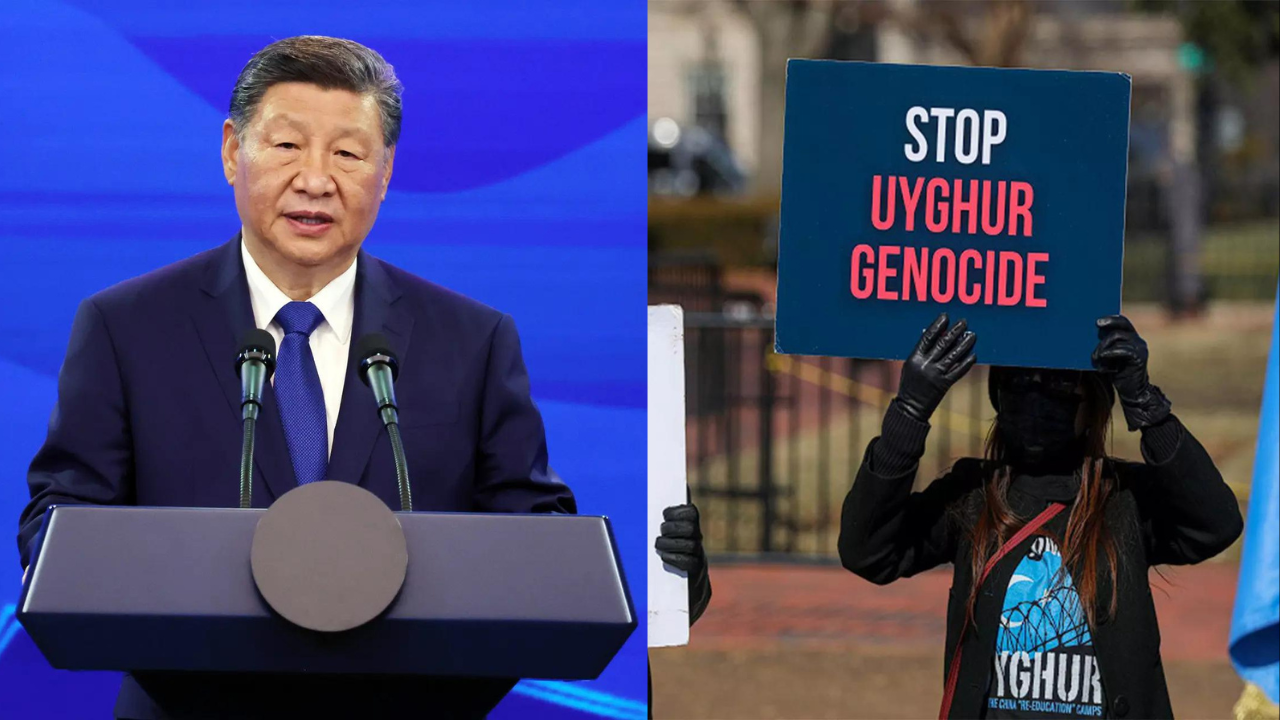
Academic Freedom Under Fire: UK University's Uyghur Research Halt Raises Concerns Over Chinese Influence
A temporary suspension of research into Uyghur forced labor at Sheffield Hallam University (SHU) in the UK has ignited a global debate about academic freedom and the growing influence of China on international institutions. The university's initial decision, reportedly motivated by concerns over maintaining access to the lucrative Chinese student market, was met with swift and fierce criticism, ultimately leading to its reversal. However, the incident has served as a stark reminder of the potential pressures faced by universities navigating the complex relationship between academic integrity and economic realities.
China's Long Arm Reaches UK Campus: Uyghur Study S...
Professor Laura Murphy, a leading expert on Uyghur forced labor at SHU's Helena Kennedy Centre for International Justice (HKC), had her research temporarily halted, raising serious questions about the university's commitment to independent inquiry. While SHU maintains that the decision was driven by internal considerations, critics argue that it reflects a growing trend of self-censorship among Western institutions wary of offending Beijing.
The controversy comes at a time
The controversy comes at a time of intensified global advocacy for the Uyghur community, who face widespread repression and human rights abuses in China's Xinjiang region. Allegations of forced labor, mass internment, and cultural suppression have drawn condemnation from international organizations and governments. The suspension of research into these issues, even briefly, sends a chilling message to academics and researchers working on sensitive topics related to China.
The incident at Sheffield Hallam University highlights the delicate balance universities must strike between upholding academic freedom and maintaining international partnerships. The dependence on Chinese student enrollment, a significant revenue stream for many institutions, creates a potential vulnerability to political pressure. The fear of jeopardizing these financial ties can lead to self-censorship and a reluctance to engage in research that might be perceived as critical of the Chinese government.
The reversal of the decision at SHU, following intense public scrutiny and potential legal challenges, offers a glimmer of hope. It demonstrates the power of public pressure and the importance of defending academic freedom against external interference. However, the incident serves as a cautionary tale, underscoring the need for universities to prioritize ethical considerations and resist pressures that could compromise their commitment to independent research and critical inquiry. The future of academic freedom in a globalized world increasingly influenced by China depends on it.
Comments
Please sign in with Google to post a comment
No comments yet. Be the first to comment!